Celebrating legacies. Reclaiming histories. Imagining futures. Report by Davina Hawthorne, Photography Brian Roberts
FACE Takes Over Liverpool Everyman: Celebrating Afrocentric and Afrofuturist Perspectives
Step Inside Death of a Salesman | 5–10 October 2026
Celebrating legacies. Reclaiming histories. Imagining futures. Report by Davina Hawthorne Photography Brian Roberts
From 5–10 October 2026, FACE (Fashion and the Arts Creating Equity) brought a vibrant programme of creative work, public dialogue and cultural exchange to Liverpool Everyman Theatre, as part of a special takeover alongside its production of Death of a Salesman.
“You really feel the energy of the work. It makes us really excited to go on and see the play.”
Welcoming a total audience of 2,082 people during the takeover period, the programme created an important platform for celebrating Afrocentric and Afrofuturist perspectives across fashion, textiles, art and design. Bringing together established and emerging creatives, academics, graduates and the wider public, the takeover explored how creative practice can reclaim histories, celebrate legacies and imagine more inclusive futures.
The programme featured three interconnected strands: a curated exhibition of creative work, the launch of FACE's new Conversations of Truth public dialogue series, and a FACE Reading Corner showcasing published works by FACE members.
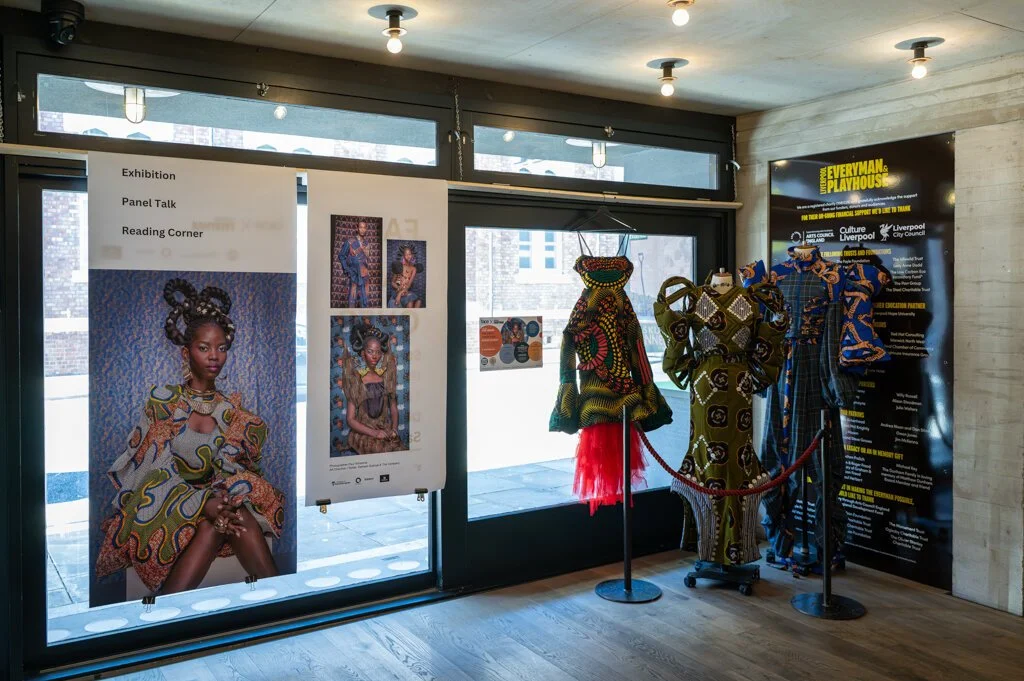
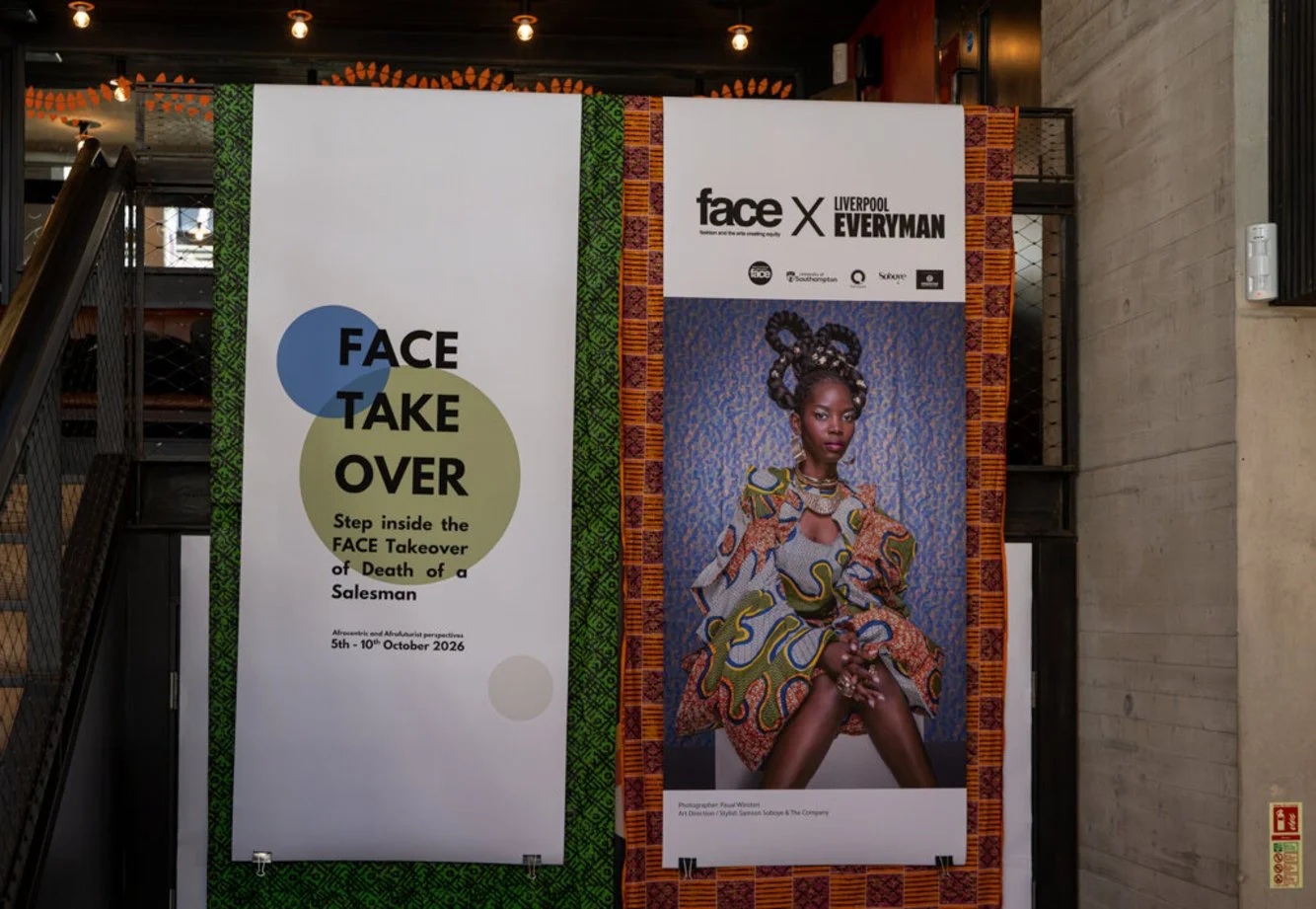
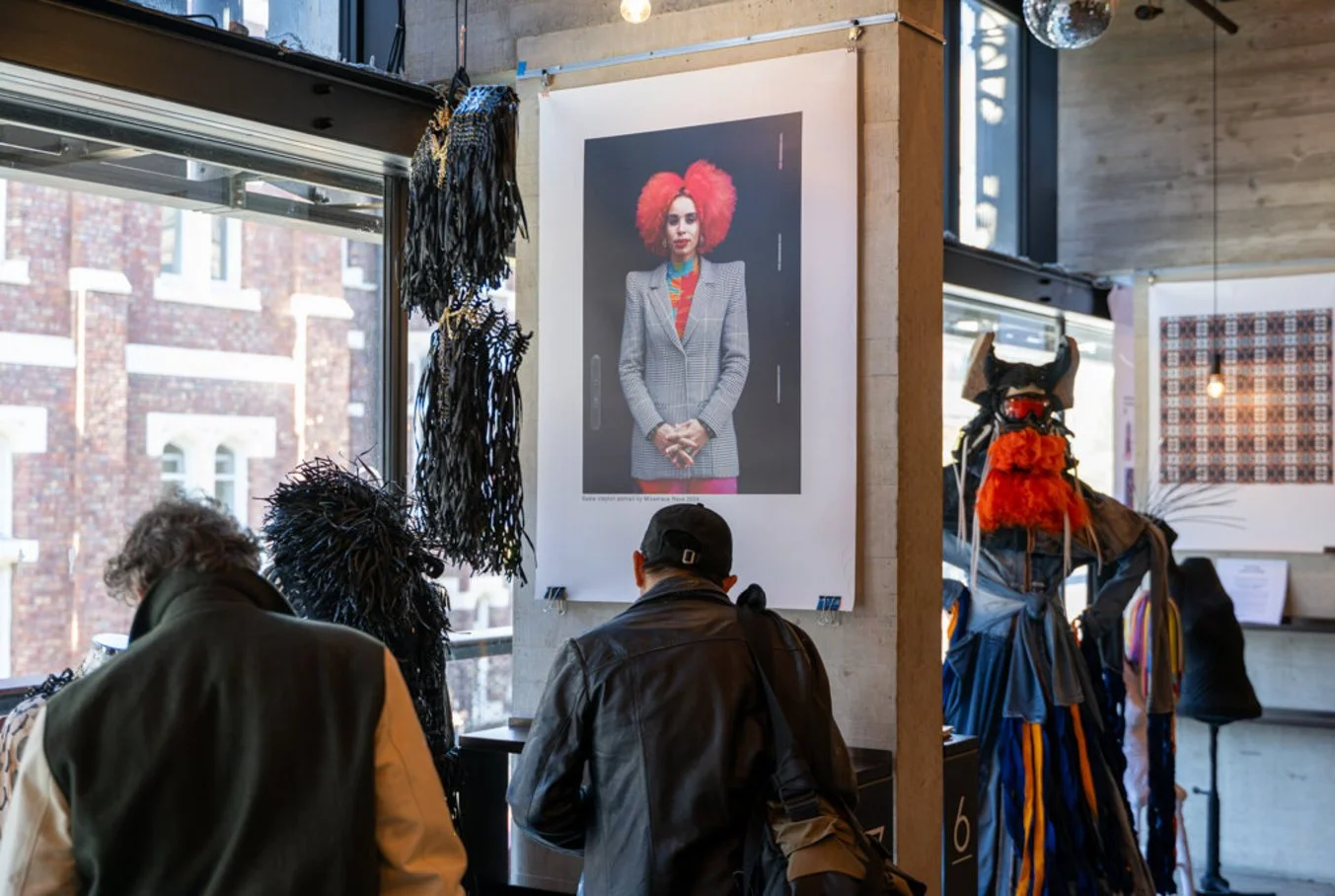
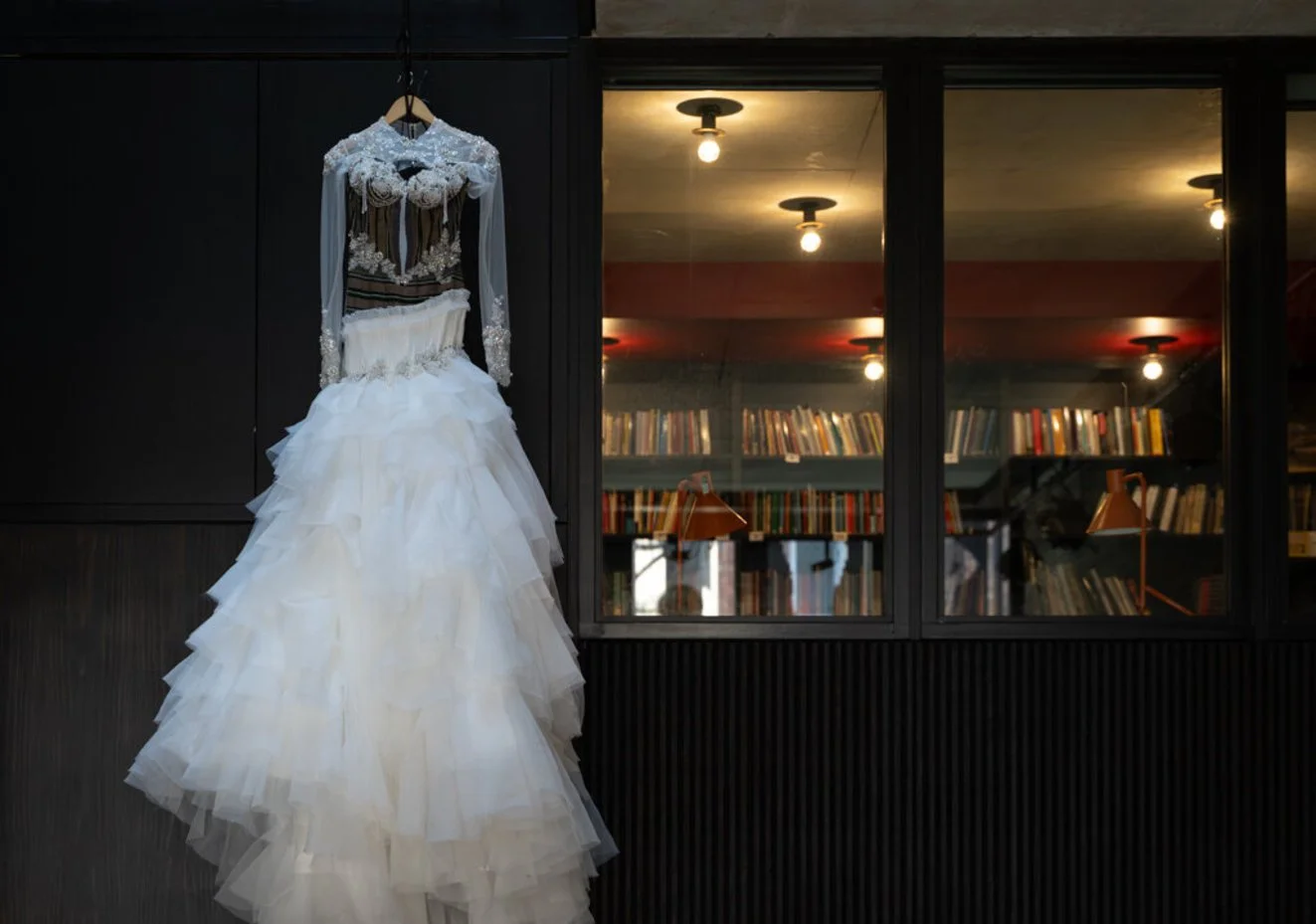
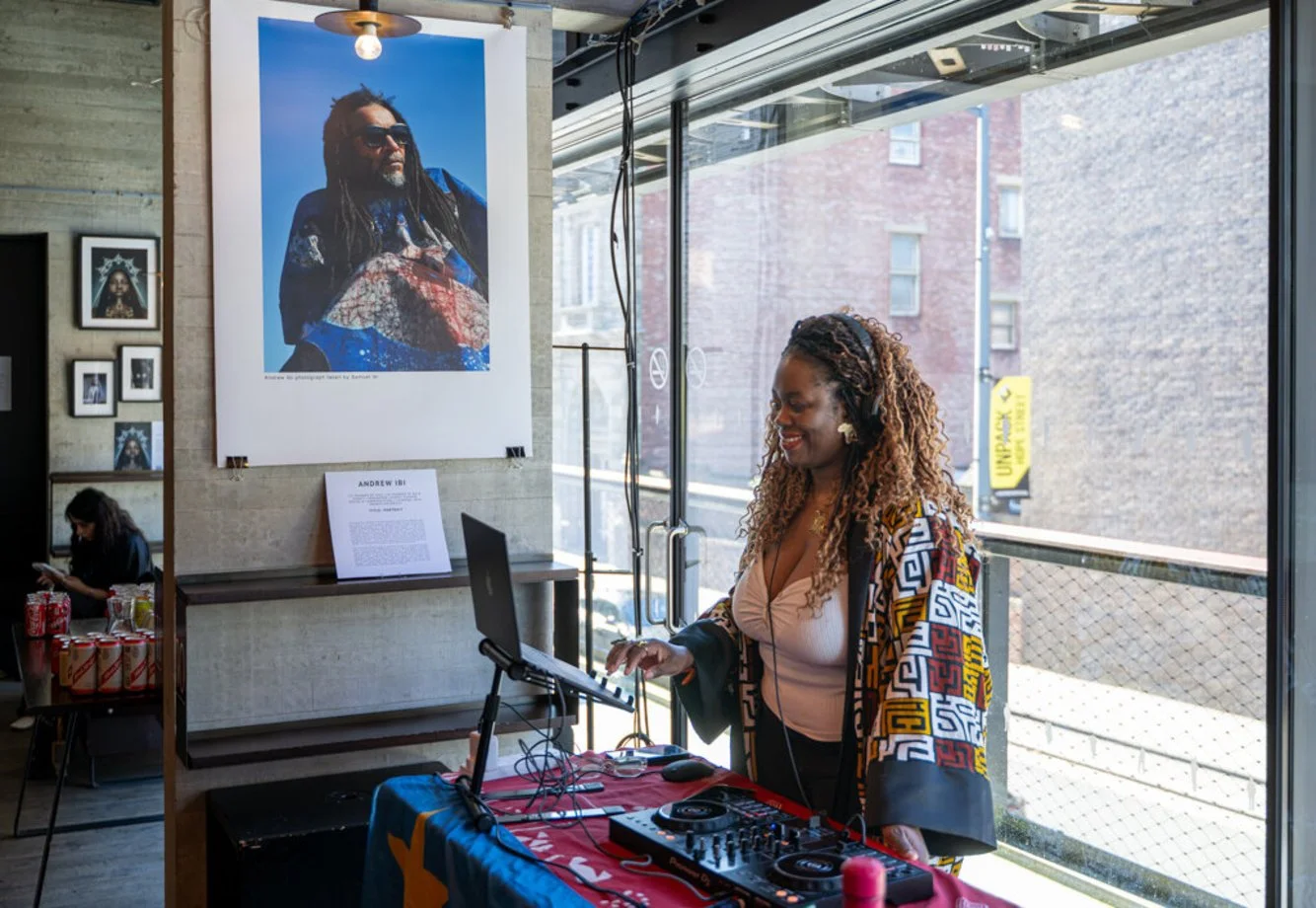
Images: Main exhibition installation at Liverpool Everyman
Reclaiming histories, celebrating legacies, imagining futures
The exhibition presented a selection of work by established, current and emerging creatives, exploring Afrocentric and Afrofuturist perspectives through fashion, textiles, art and design. Bringing together diverse creative practices, it celebrated cultural identity, creative excellence and the importance of bringing underrepresented narratives into public spaces.
The exhibition explored how creative practice can challenge dominant narratives, reclaim overlooked histories and celebrate the contributions of Global Majority creatives. Importantly, it helped bridge the gap between academia, graduates and multidisciplinary creative practice, providing a platform for collaboration, visibility and engagement with a wider public audience.
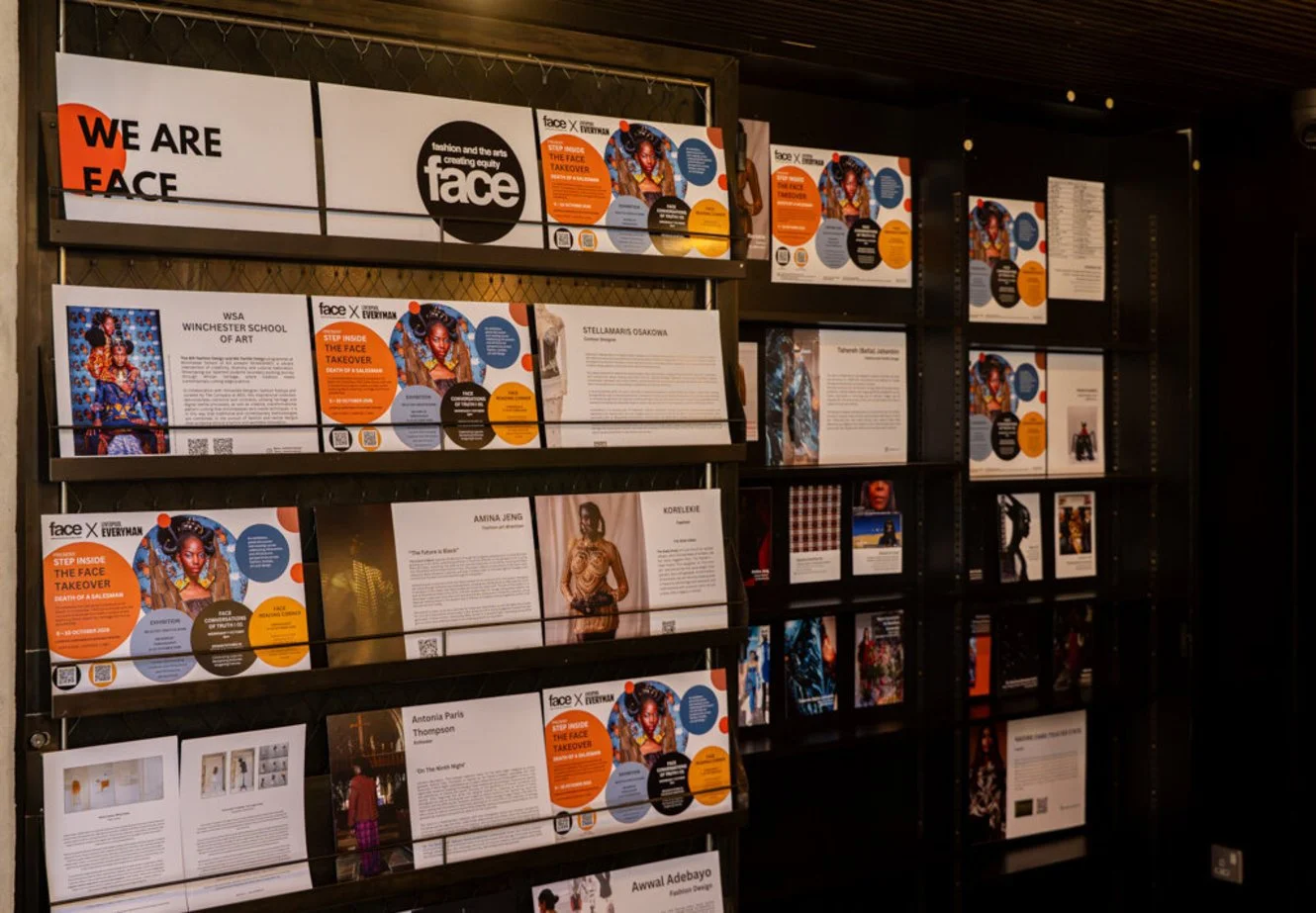
The FACE Reading Corner offered visitors an opportunity to explore published works by FACE members, discover digital galleries and engage with creative research, stories and projects.
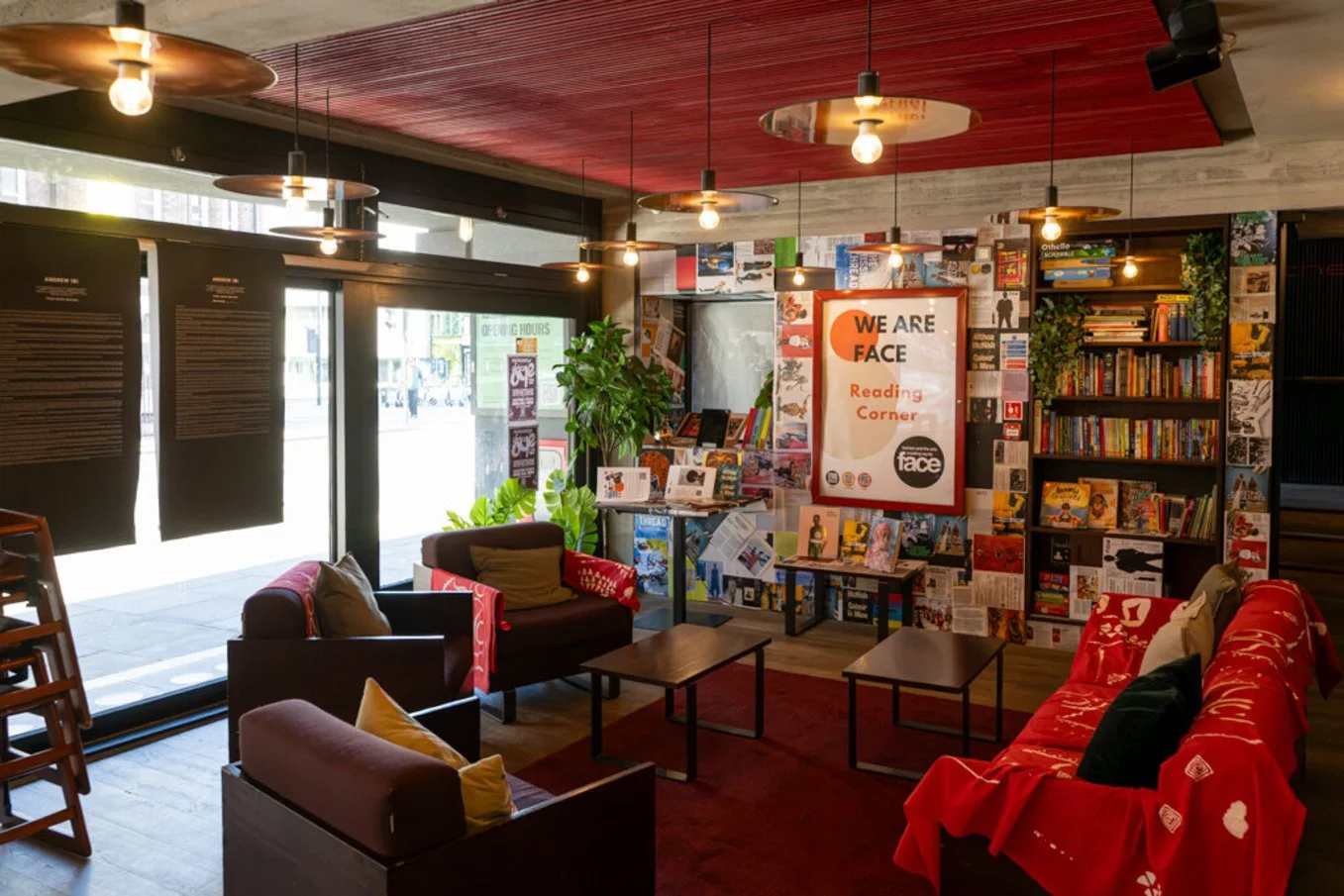
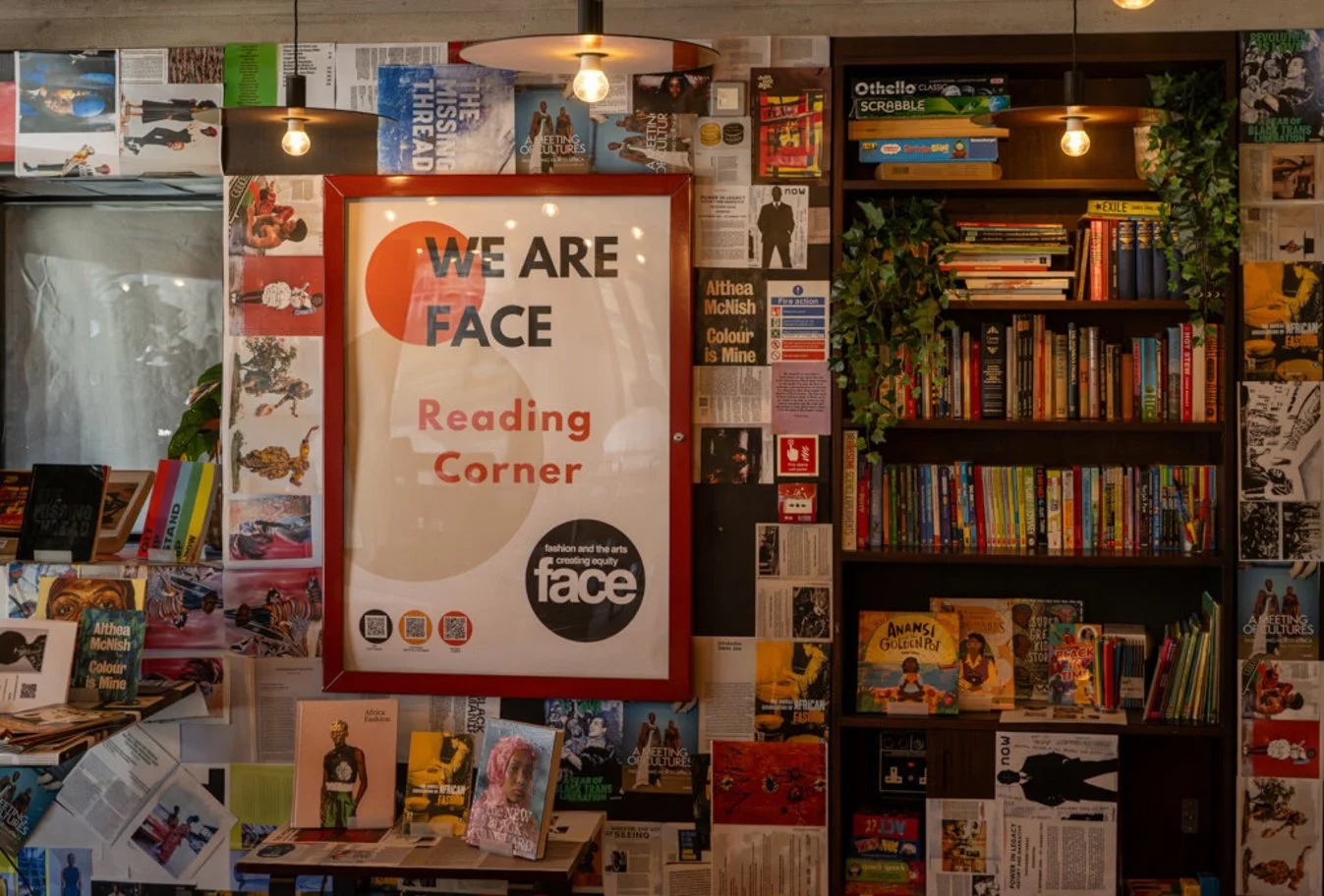
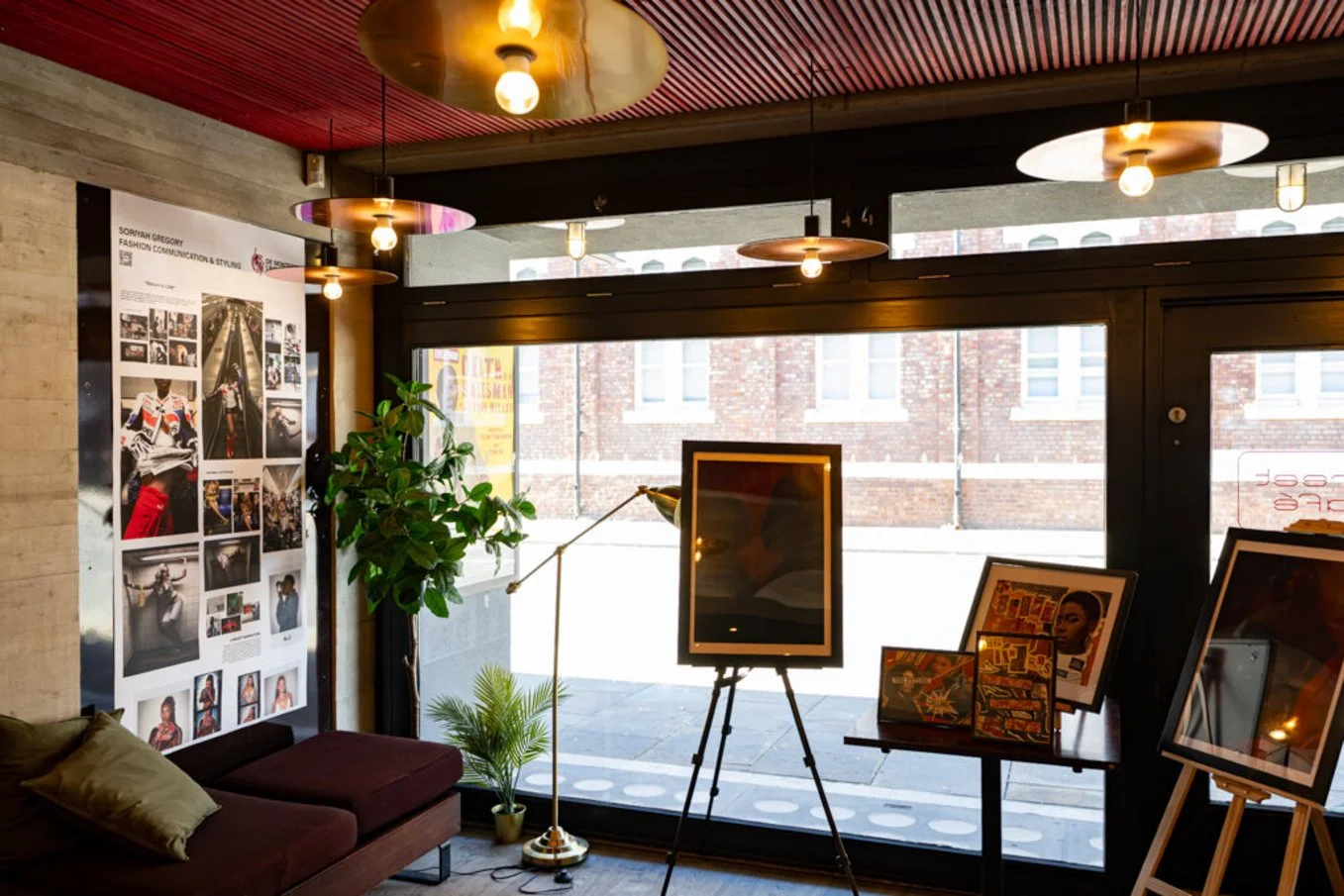
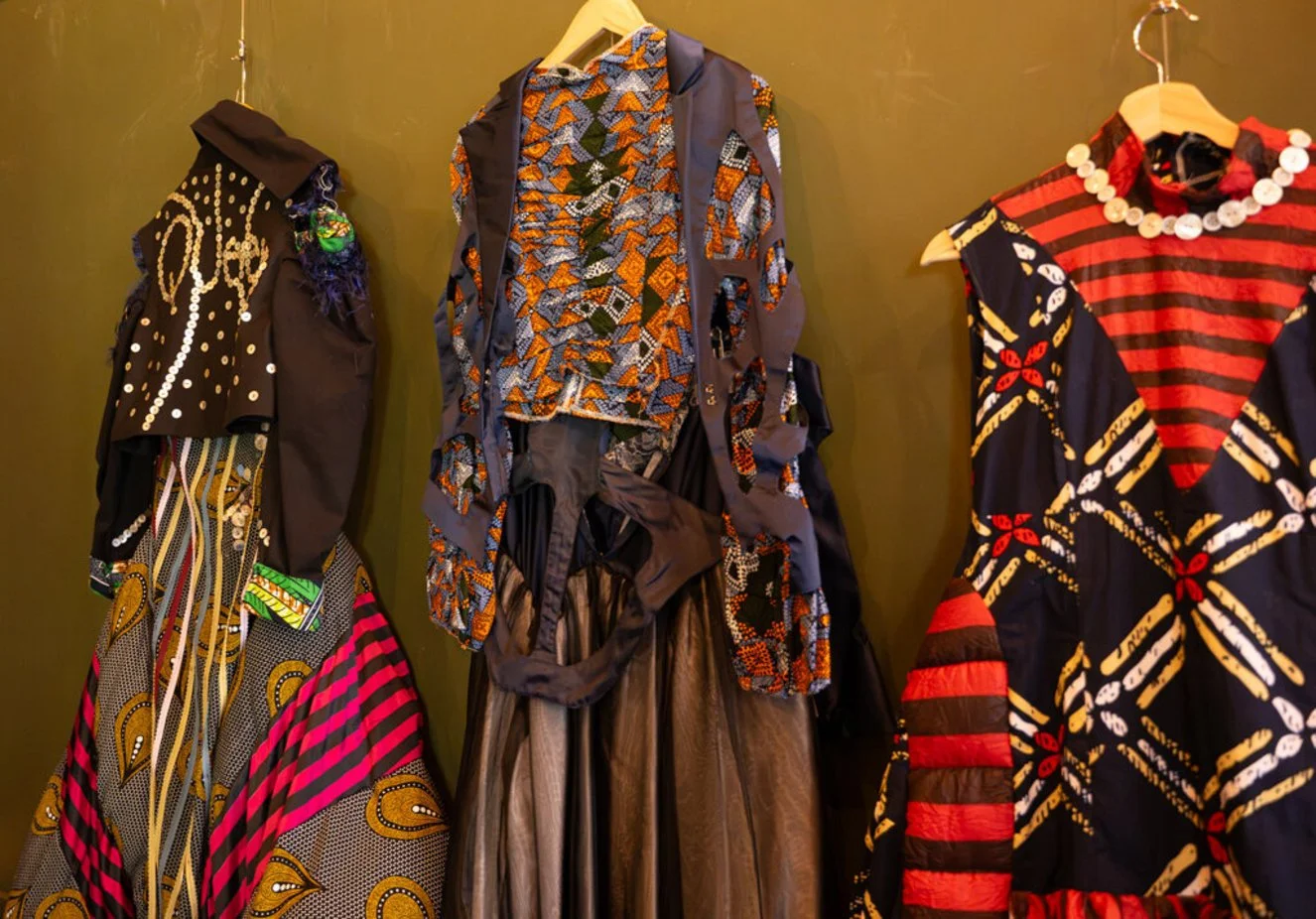
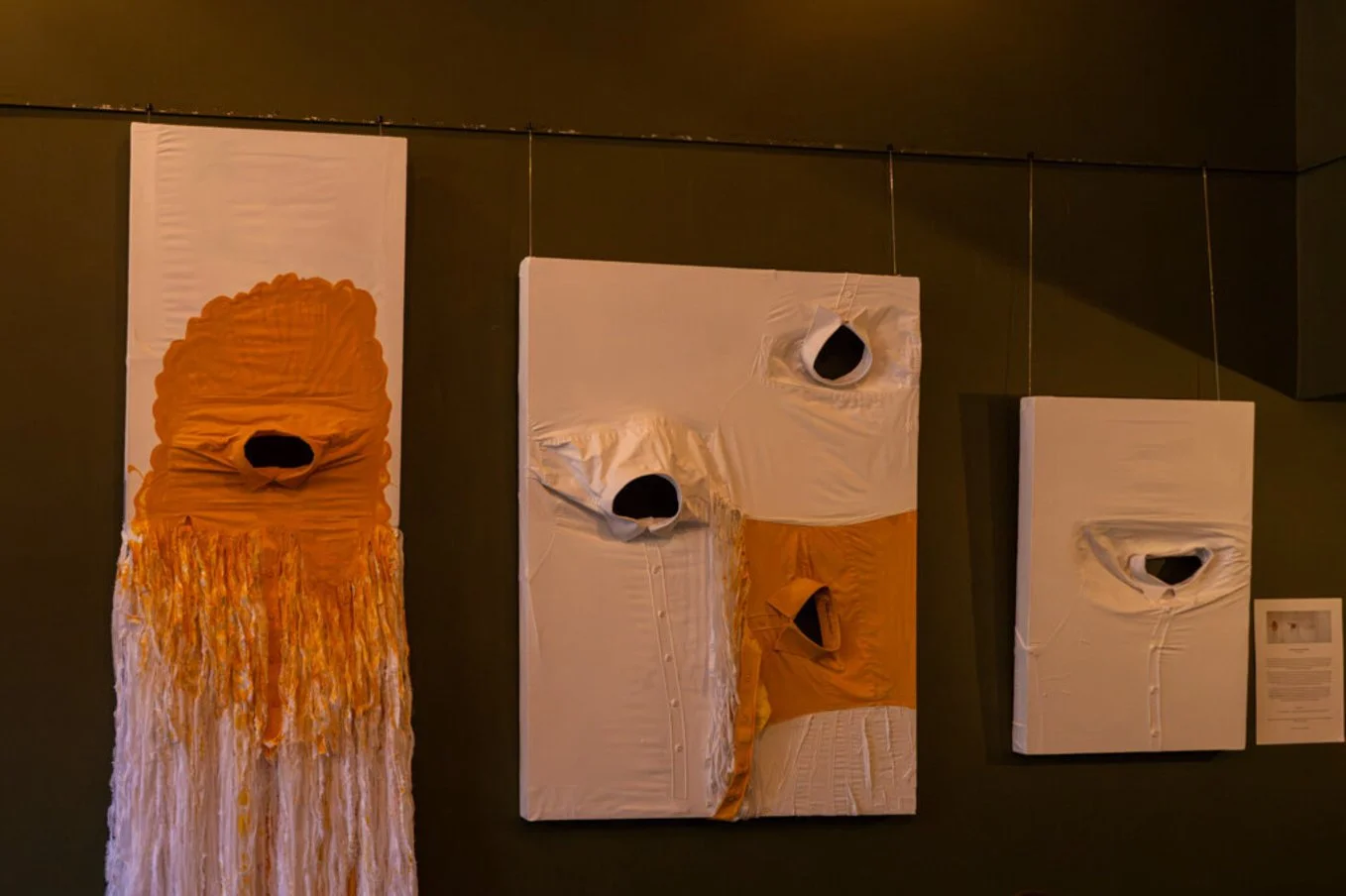
Images: Exhibition details, creative work and Reading Corner
Launching FACE Conversations of Truth
A significant moment of the takeover was the launch of FACE Conversations of Truth, a new series of public dialogues designed to bring creative provocations into conversation with critical reflection, knowledge exchange and collective action.
The inaugural discussion took place on Wednesday 7 October at Liverpool Everyman Theatre, entitled Design Futures in the Black Diaspora: Celebrating Legacies. Reclaiming Histories. Imagining Futures.
Chaired by Davina Hawthorne, Senior Lecturer and MA Fashion and Textiles Programme Lead at De Montfort University and FACE Council member, the panel brought together three leading voices from fashion, education, research and creative practice:
Andrew Ibi – Designer, artist, educator and Programme Leader for BA Fashion: Design & Communication at Liverpool John Moores University. Andrew is co-founder of BOLD and FACE and co-curator of the Missing Threads exhibition, presented at Somerset House in 2024. His research explores cultural nostalgia, belonging, displacement and the visibility of Black British fashion histories.
Benita Odogwu-Atkinson – Fashion creative, researcher and educator, Co-Chair of FACE and Industry Trustee of Graduate Fashion Foundation. Benita is a passionate advocate for race equity across higher education and fashion, championing creativity, representation and emerging talent.
Samson Soboye – London-based fashion designer, stylist, educator and founder of SOBOYE. Rooted in his Nigerian heritage and shaped by London's creative energy, his practice brings African textiles and cultural references into contemporary fashion, exploring African identity and diasporic expression.
Drawing on their individual experiences across fashion, design, research, education and the creative industries, the conversation explored what it means to be Afrocentric and Afrofuturist today, and how these perspectives can inform our understanding of the past, challenge dominant narratives in the present and shape future possibilities.
The discussion moved beyond simply celebrating the achievements of Black designers to consider deeper questions around authorship, intellectual ownership, historical recognition and the preservation of cultural knowledge.
One particularly important question considered how the authorship, provenance and intellectual labour of Black British curatorial research can be preserved, or potentially displaced, when its subjects, images and historical frameworks enter mainstream institutional narratives. This opened wider questions about who has authority to tell these stories, whose knowledge is recognised and how the contributions of Black creatives can be protected from being overlooked or absorbed into dominant cultural histories.
Drawing on examples including the Missing Threads exhibition and developments in recognising Black excellence within the fashion industry, the panel considered how designers from the Black diaspora have shaped fashion and design histories, often without receiving the recognition they deserve.
Questions of legacy and intergenerational knowledge were equally important. How can reclaiming and celebrating these stories inspire future generations of creative practitioners? What responsibility do educators, designers, researchers and cultural institutions have to ensure these histories are not only acknowledged but actively carried forward?
The conversation also considered how Afrofuturist thinking can move us beyond the limitations of existing narratives to imagine different and more equitable futures for fashion, design, creative expression and education.
Rather than presenting a single answer, the discussion created space for different experiences, perspectives and provocations to sit alongside one another, inviting the audience to consider what we should celebrate, reclaim, protect or change as we move forward.
The panel discussion was recorded, with edited footage to be shared through FACE channels.
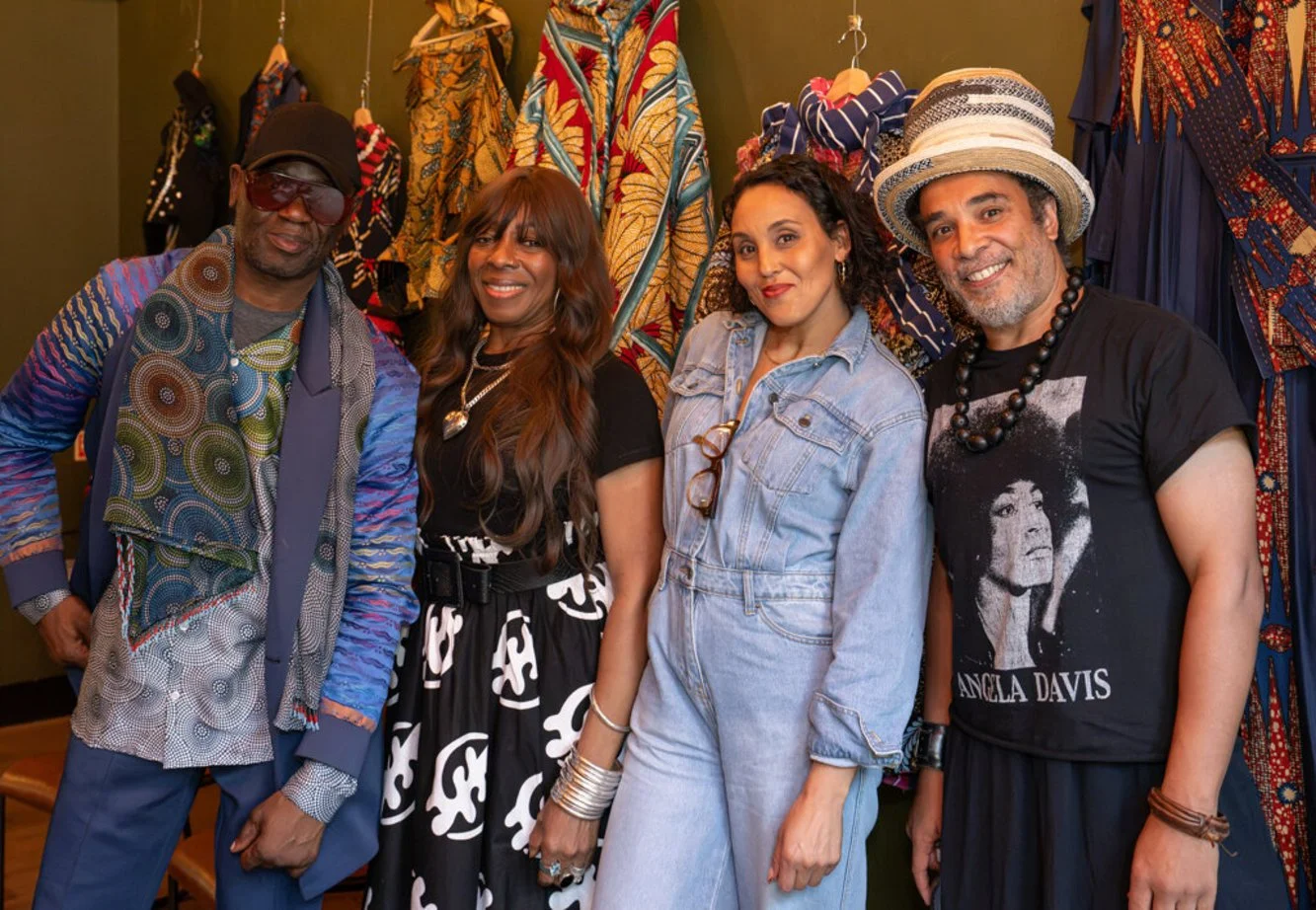
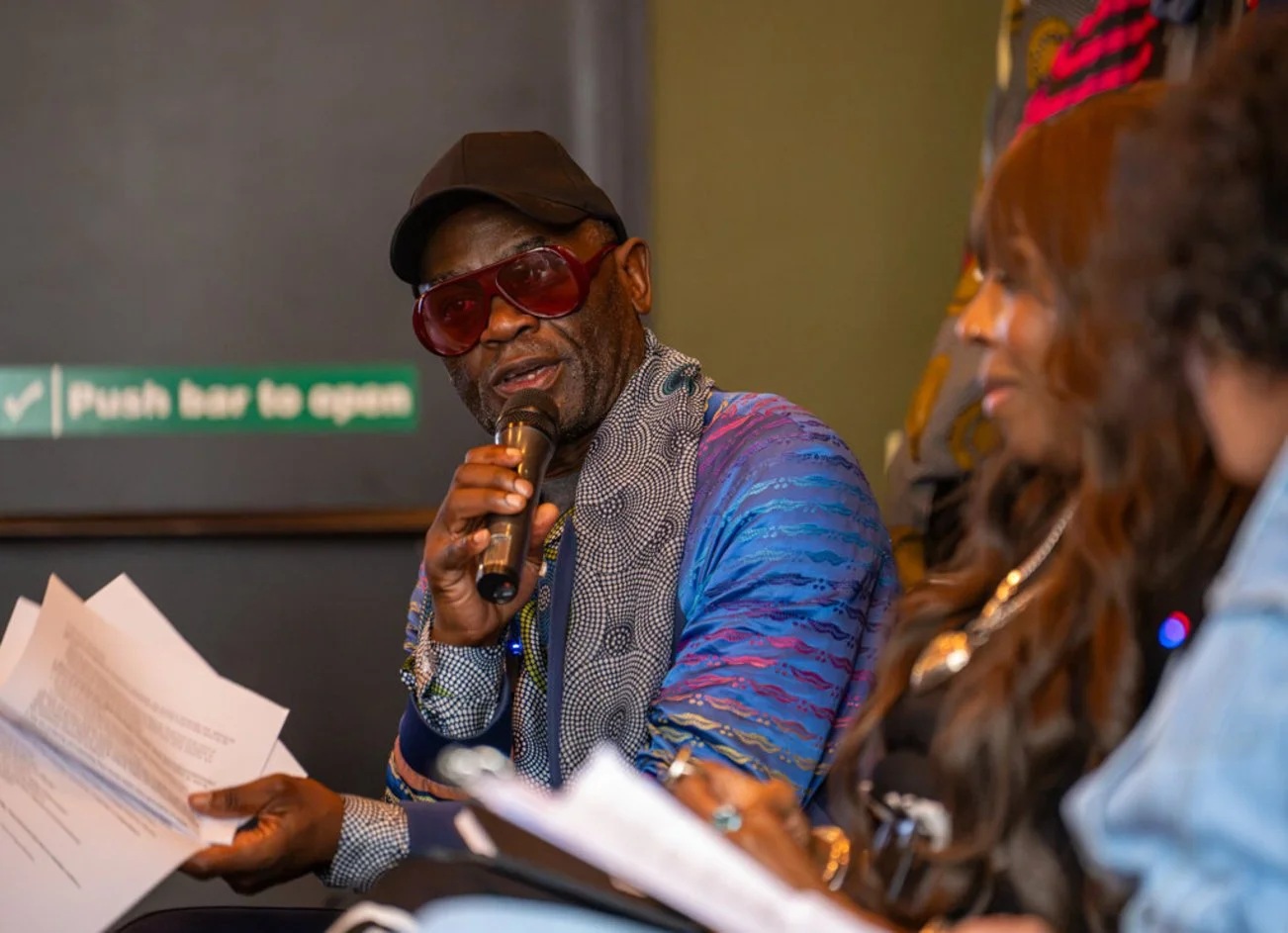
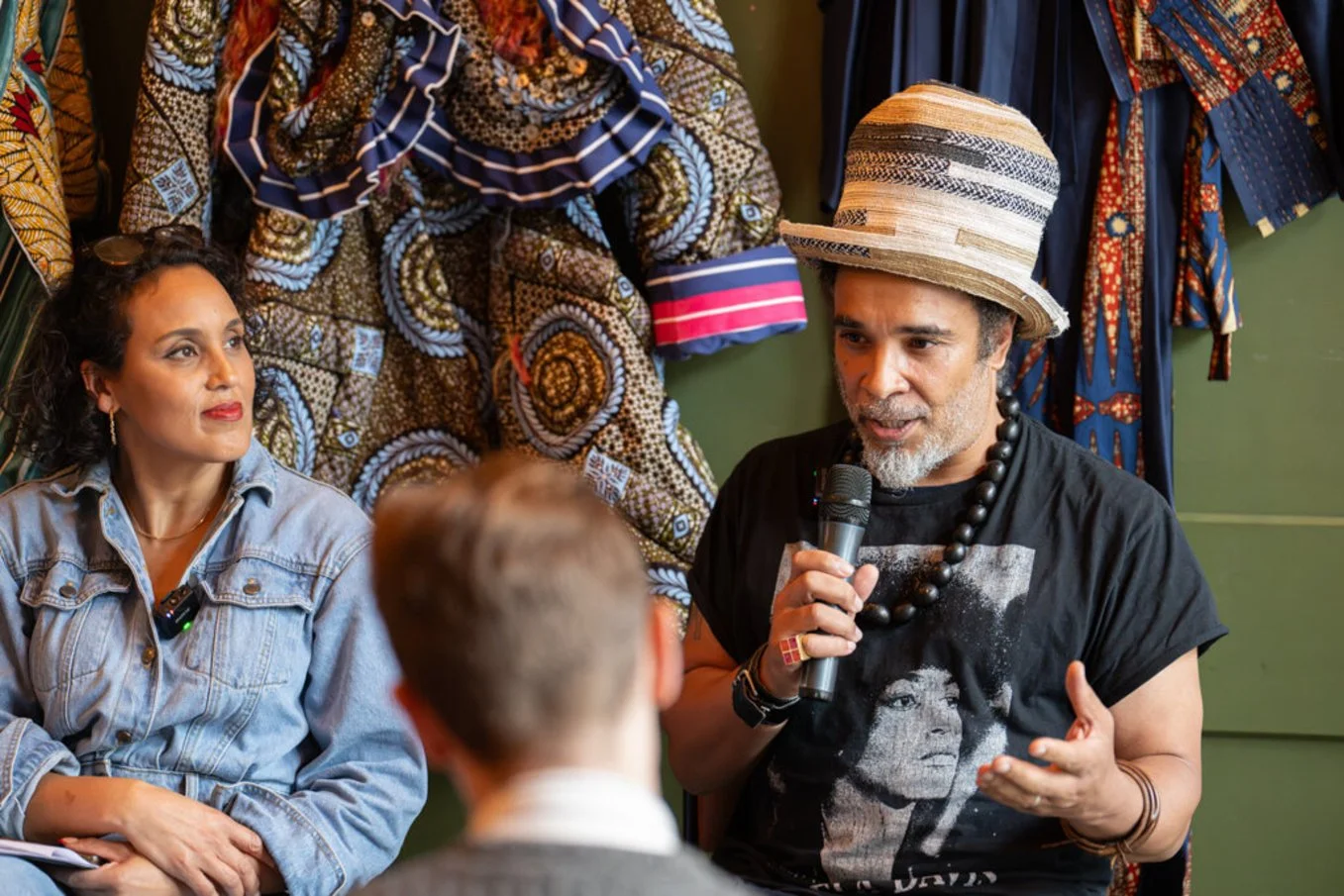
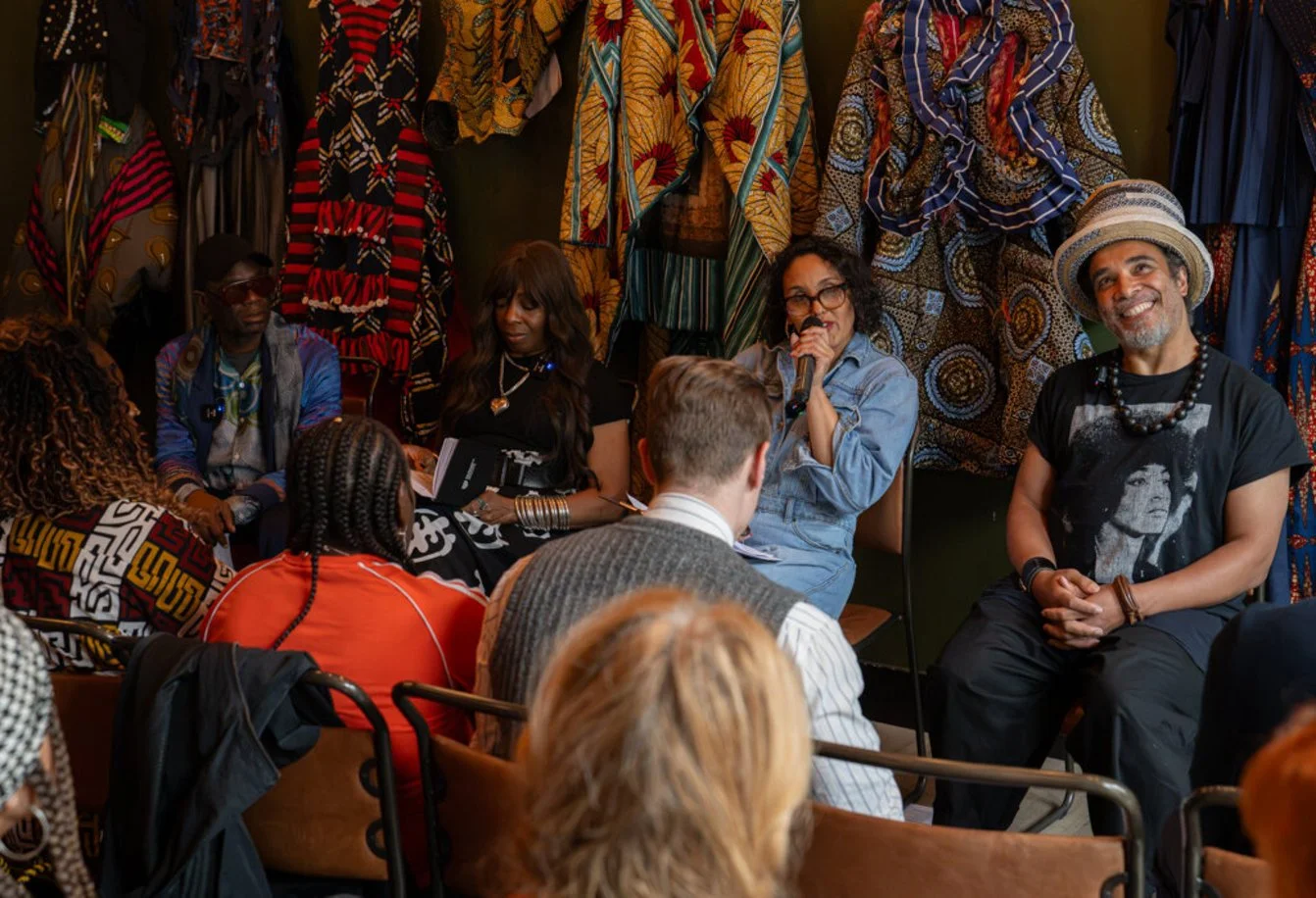
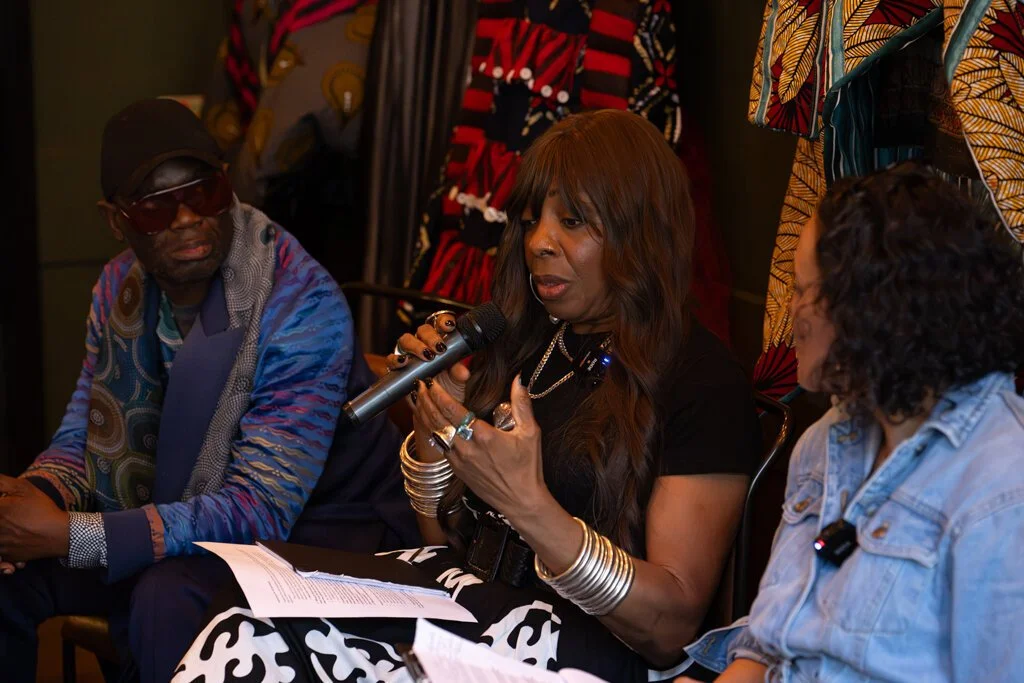
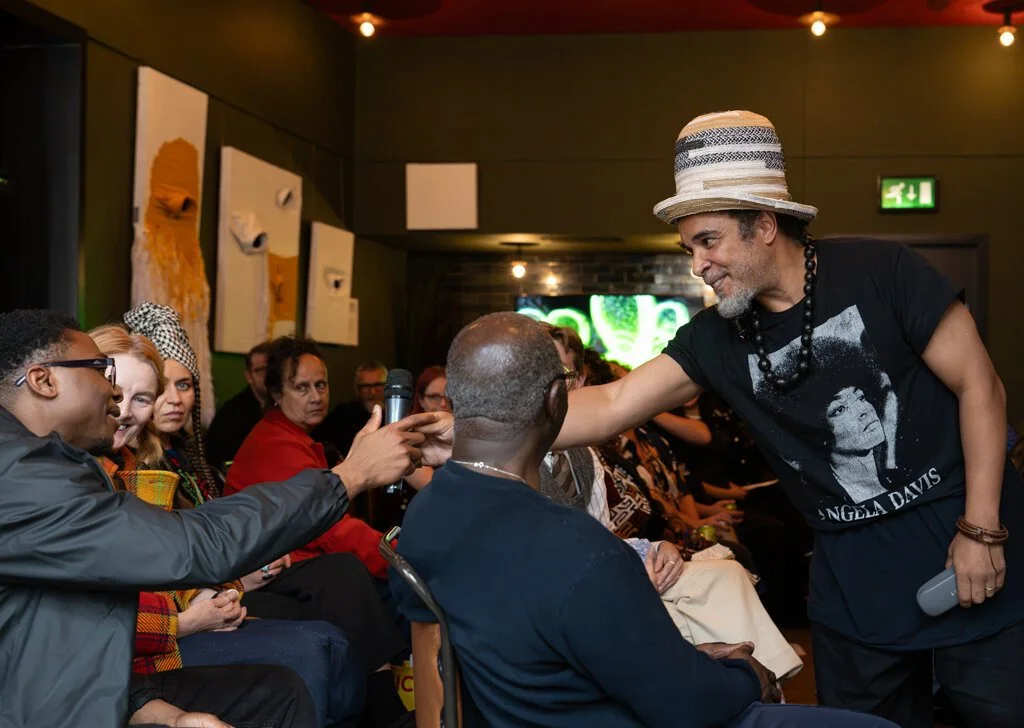
Images: FACE Conversations of Truth panel discussion L-R Samson Soboye, Benita Odogwu-Attkinson, Davina Hawthorne, Andrew Ibi
The power of collaboration
The takeover was developed through a collaborative curatorial team, with Yusra Warsama representing Liverpool Everyman Theatre alongside FACE Lead Curator Davina Hawthorne and contributing curators Nada Koreish, Benita Odogwu-Atkinson and Andrew Ibi.
Importantly, the programme provided a platform for graduates and emerging designers to showcase their work within a major cultural venue, creating opportunities for visibility, professional development and exchange between higher education, industry and the creative community.
Collaborations with institutions including Winchester School of Art, De Montfort University and Liverpool John Moores University demonstrated the value of connecting creative education with public cultural spaces.
Reflecting on the experience, Winchester School of Art's MA Fashion Design team commented:
“Opportunities such as this are important in celebrating cultural diversity, creative expression and inclusivity, while providing a platform for our students’ work to reach wider audiences.”
Participating artists also highlighted the significance of presenting their work within a programme that brought different generations of creatives together around questions of identity, heritage and cultural memory.
One artist reflected:
“Having Yemoja presented within a programme centred on Afrocentric and Afrofuturist perspectives gave the work an opportunity to sit alongside other creative practices and contribute to wider conversations around identity, heritage and cultural memory.”
Another participating designer described the experience as a meaningful milestone, providing an opportunity to showcase their collection exploring African cultural heritage, contemporary bridal fashion and innovative garment construction.
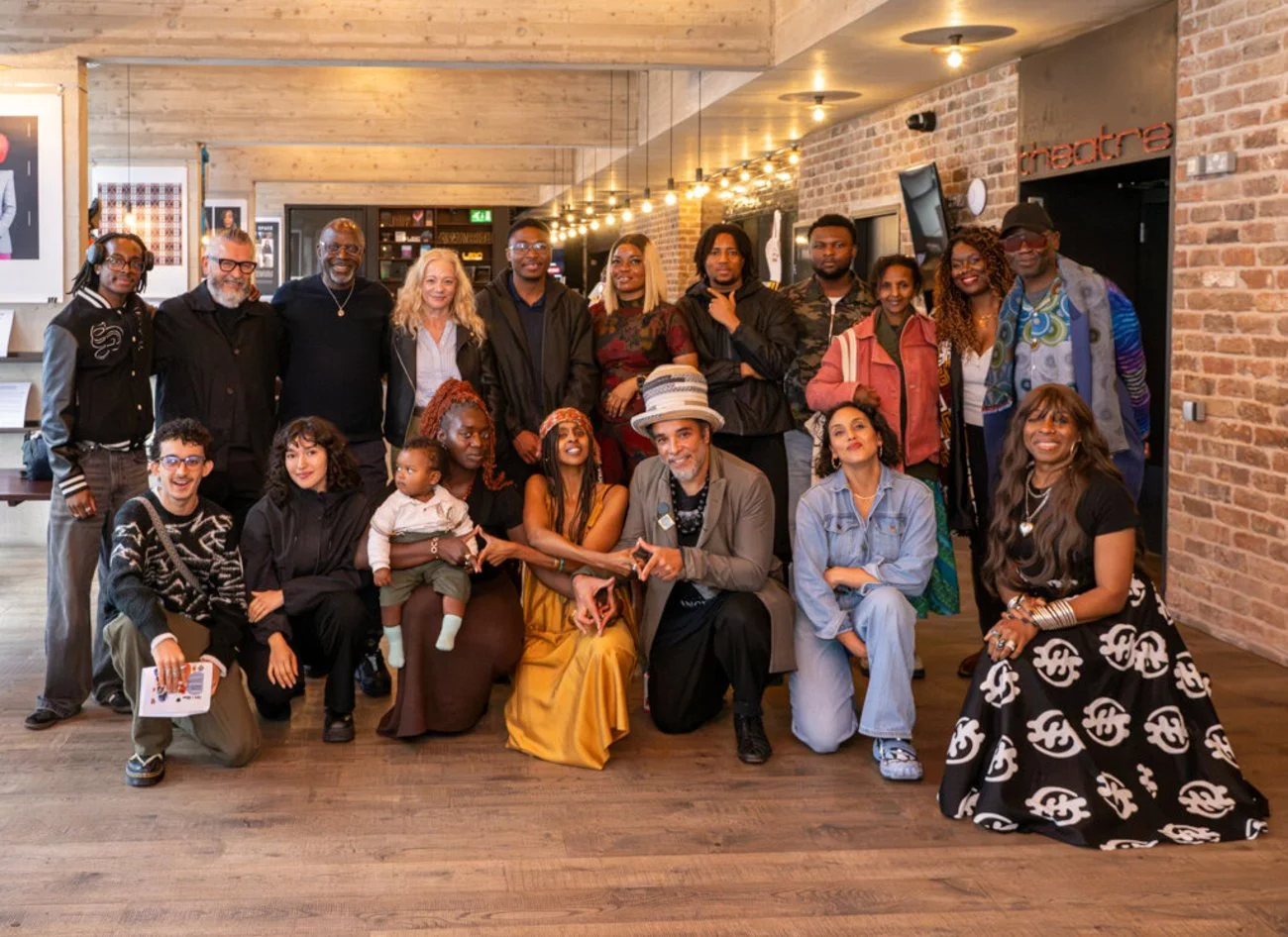
Images – Participating artists, designers and curatorial team
What did our visitors think?
Beyond the creative and cultural impact, the exhibition also highlighted the importance of wellbeing through representation, visibility and connection. Creating spaces where people can see their histories, identities and experiences reflected positively can foster a sense of belonging, affirmation and shared understanding. The energy and enthusiasm expressed by visitors reinforced the value of bringing creative work into public spaces where it can inspire, connect and positively impact audiences.
Feedback from visitors highlighted the value of both the exhibition and the public conversation. One visitor described the experience as:
“A one-of-a-kind exhibition for the city of Liverpool. Lovely to have such excellent Black people in the same room talking about the importance of art and culture and how to carry it on to mainstream. Love it.”
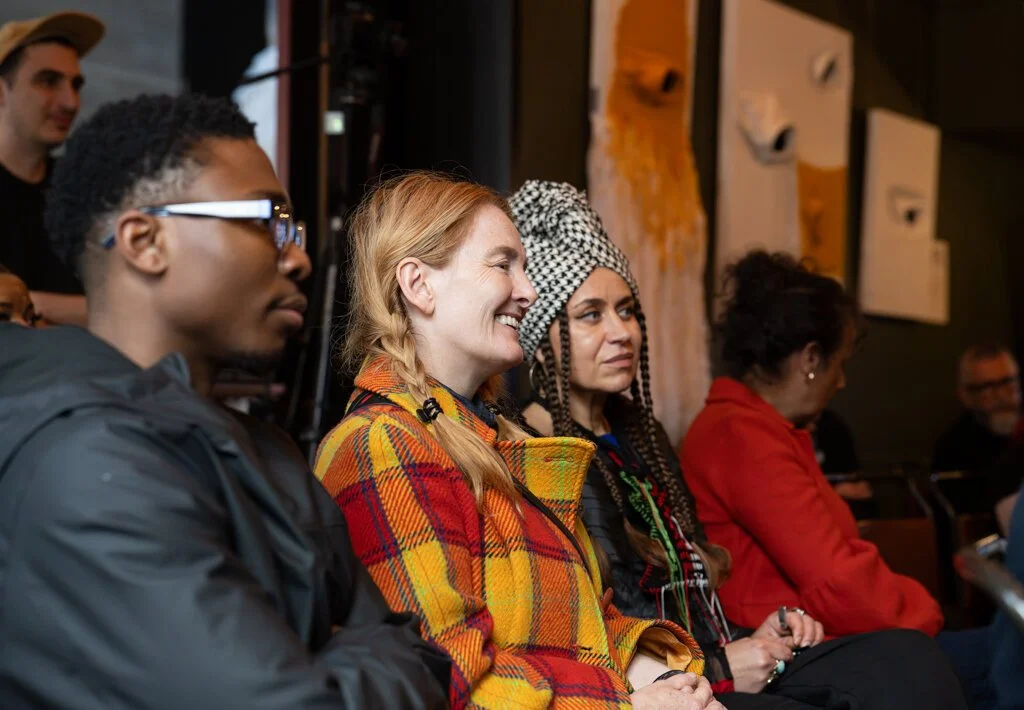
Visitors were captured through a video interview, they expressed the immediate energy and impact of the exhibition, offering an insight into how the creative work connected with audiences as they entered the theatre.
One visitor commented:“
“You really feel the energy of the work. It makes us really excited to go on and see the play.”
Another visitor spoke about the personal connection they felt with an individual designer's work:
“I was drawn to the work of a particular designer. I feel something sparked with me in this work. I think the work is gorgeous.” See further comments below.
These comments highlight something particularly important about taking creative work into public cultural spaces. Beyond providing an opportunity to showcase design, the exhibition created moments of connection, curiosity and emotional engagement. Visitors were not simply looking at the work; they were responding to it, finding personal connections and carrying that energy into their wider experience of the theatre.
The reflections also demonstrate the power of bringing fashion, textiles and multidisciplinary creative practice into spaces where audiences might not traditionally encounter them, opening up opportunities for new conversations, positive energy and excitment between creative practitioners, cultural institutions and the public.
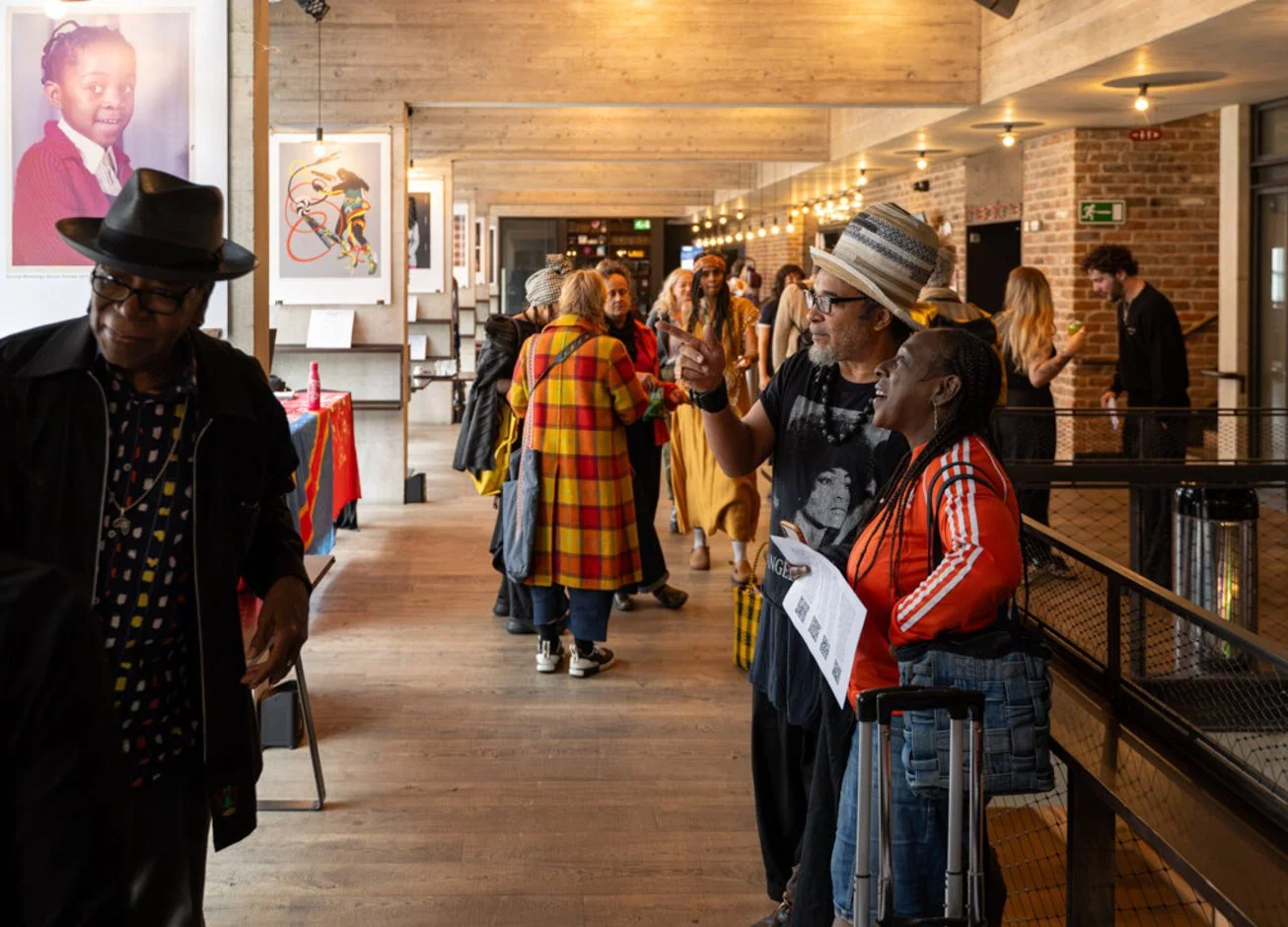
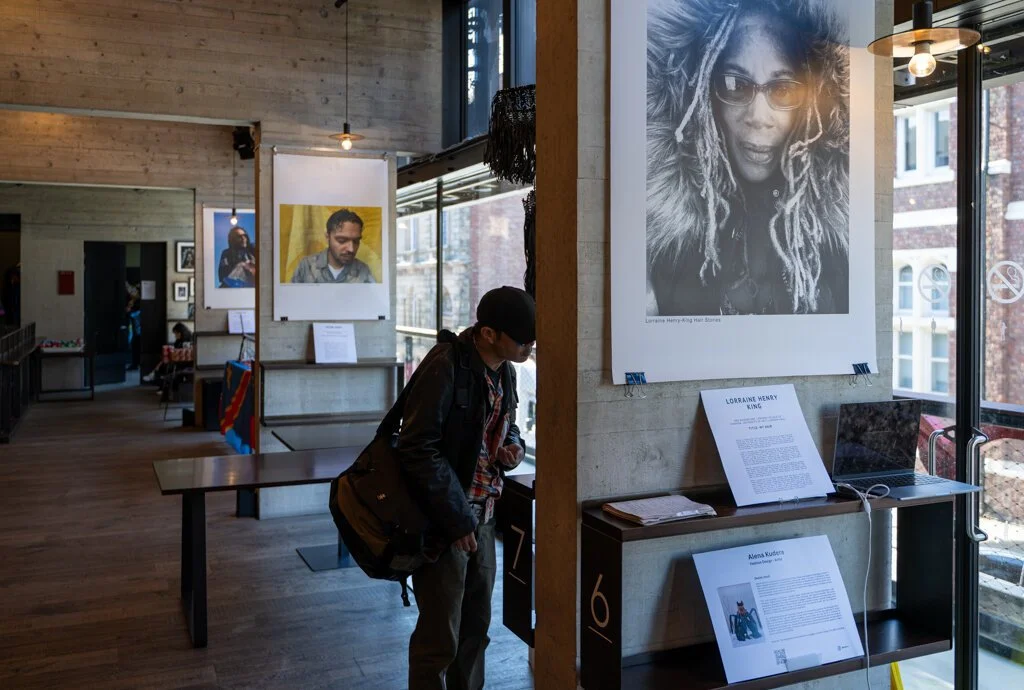
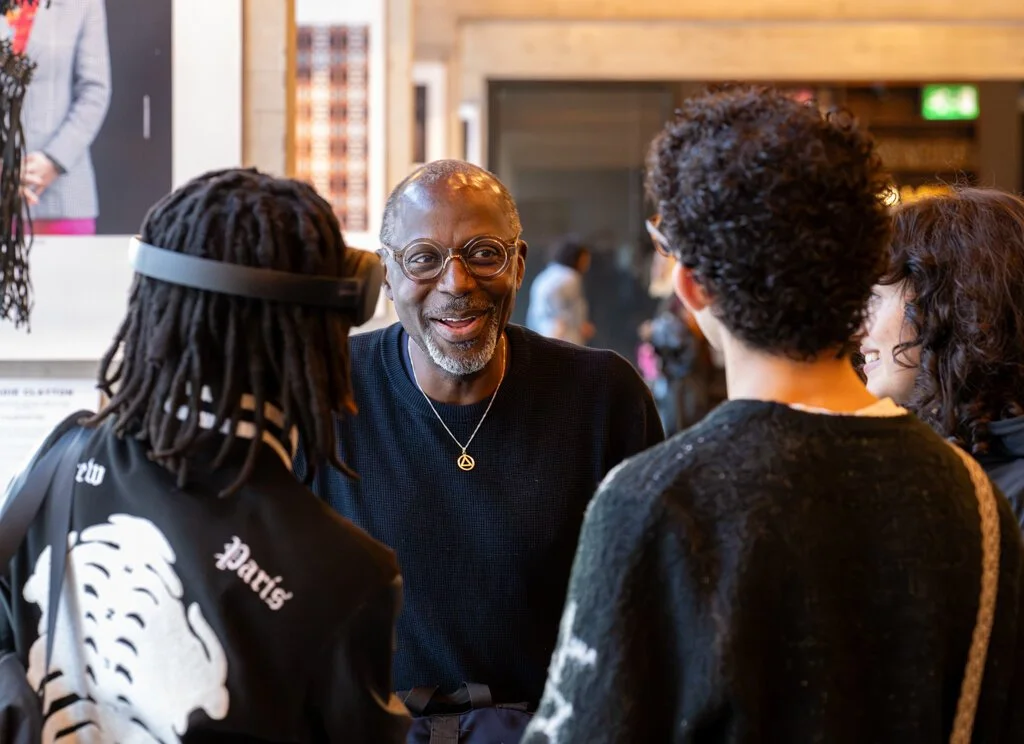
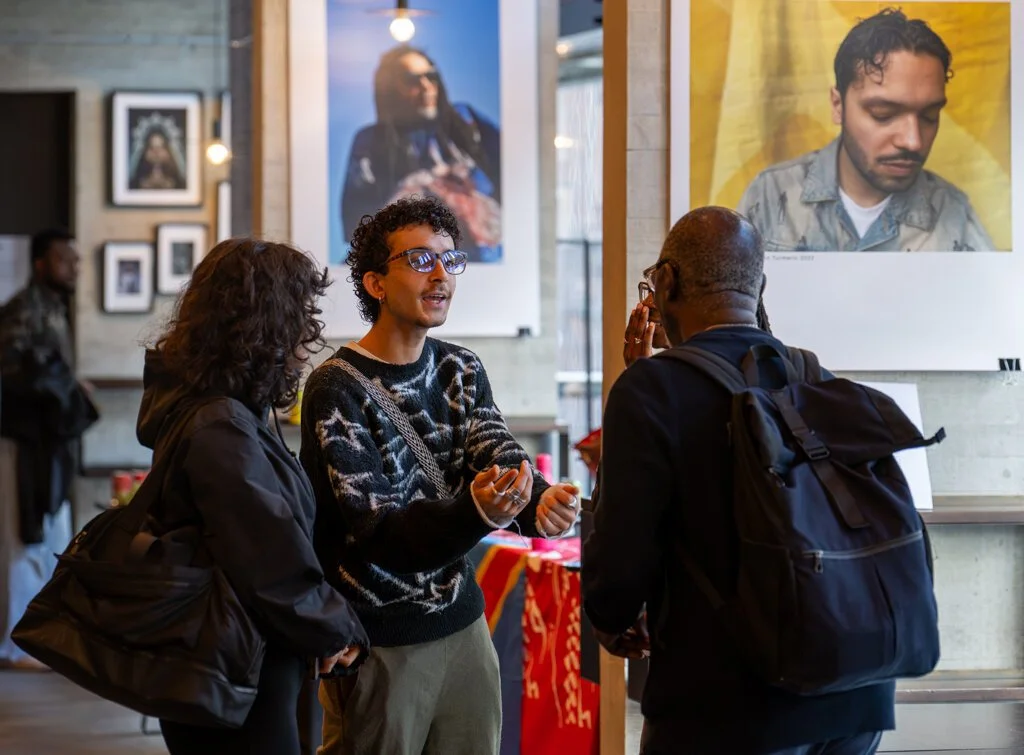
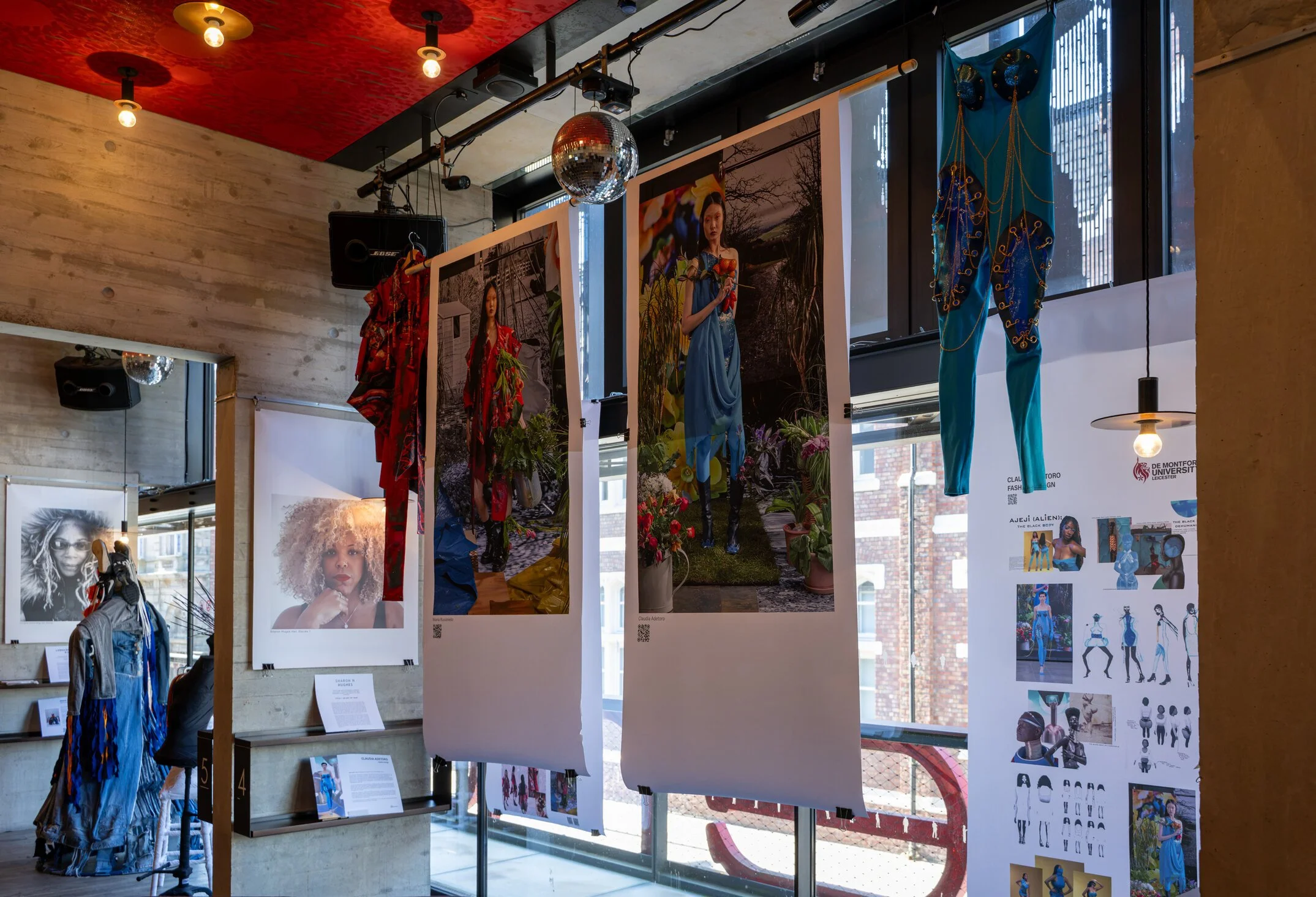
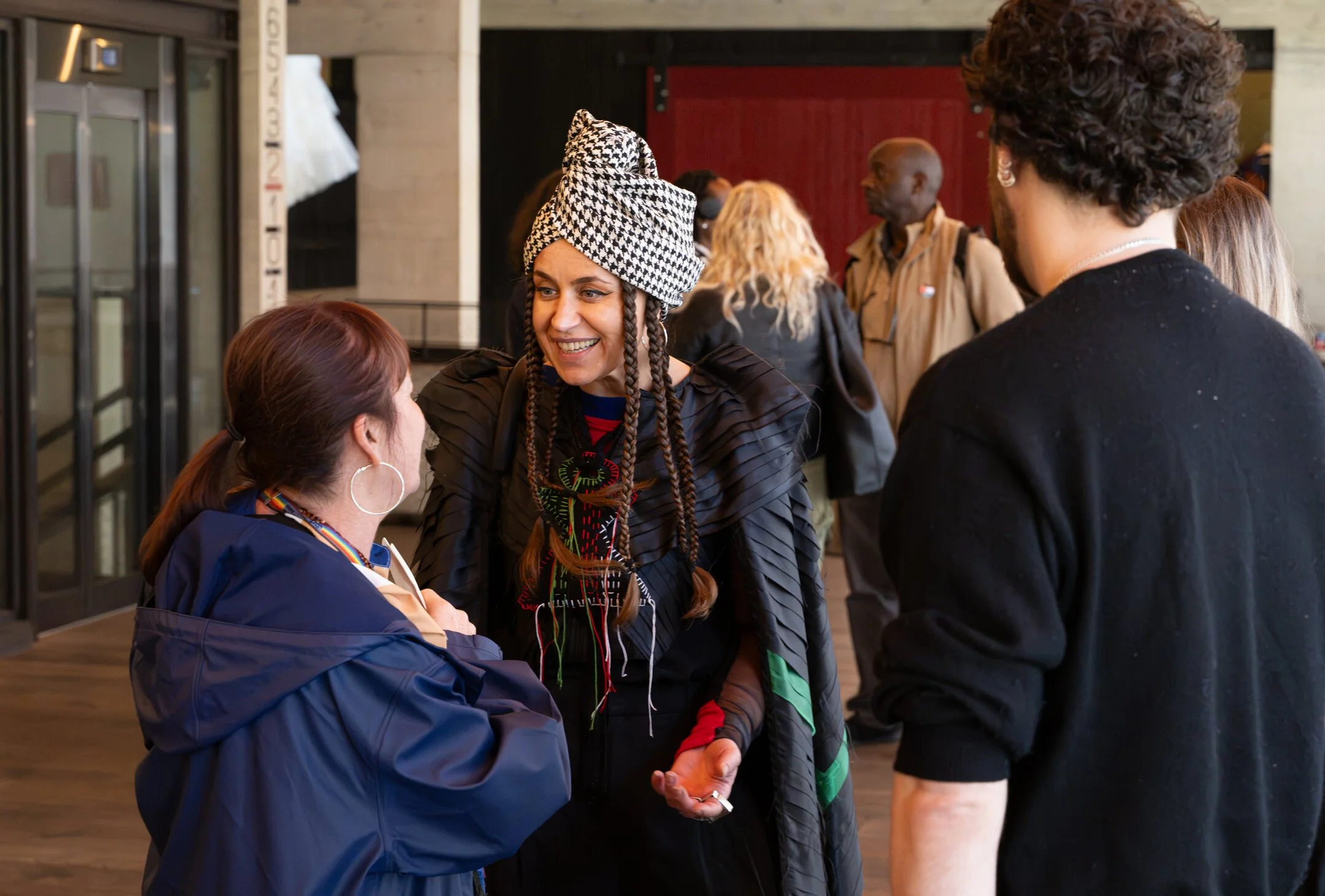
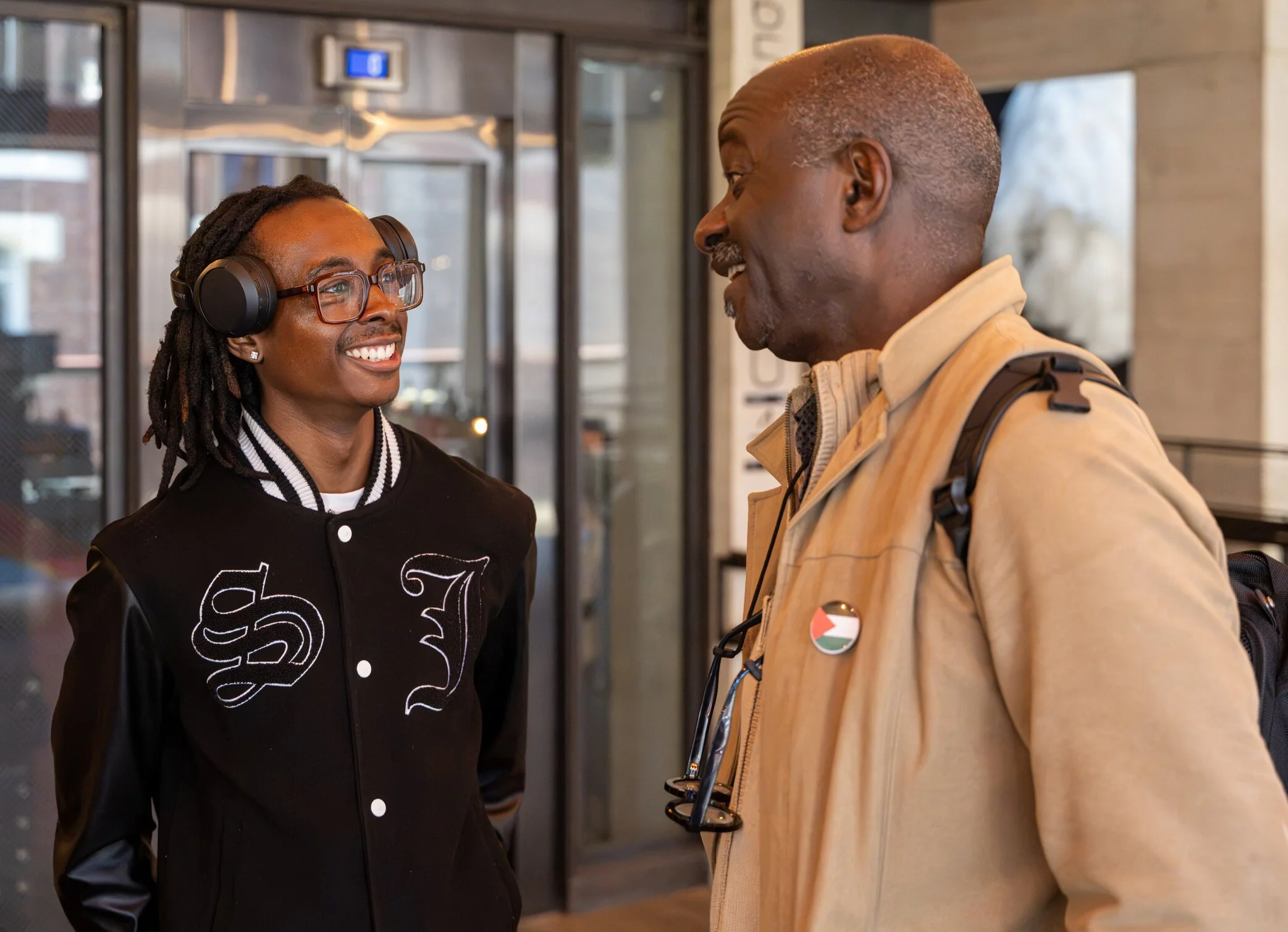
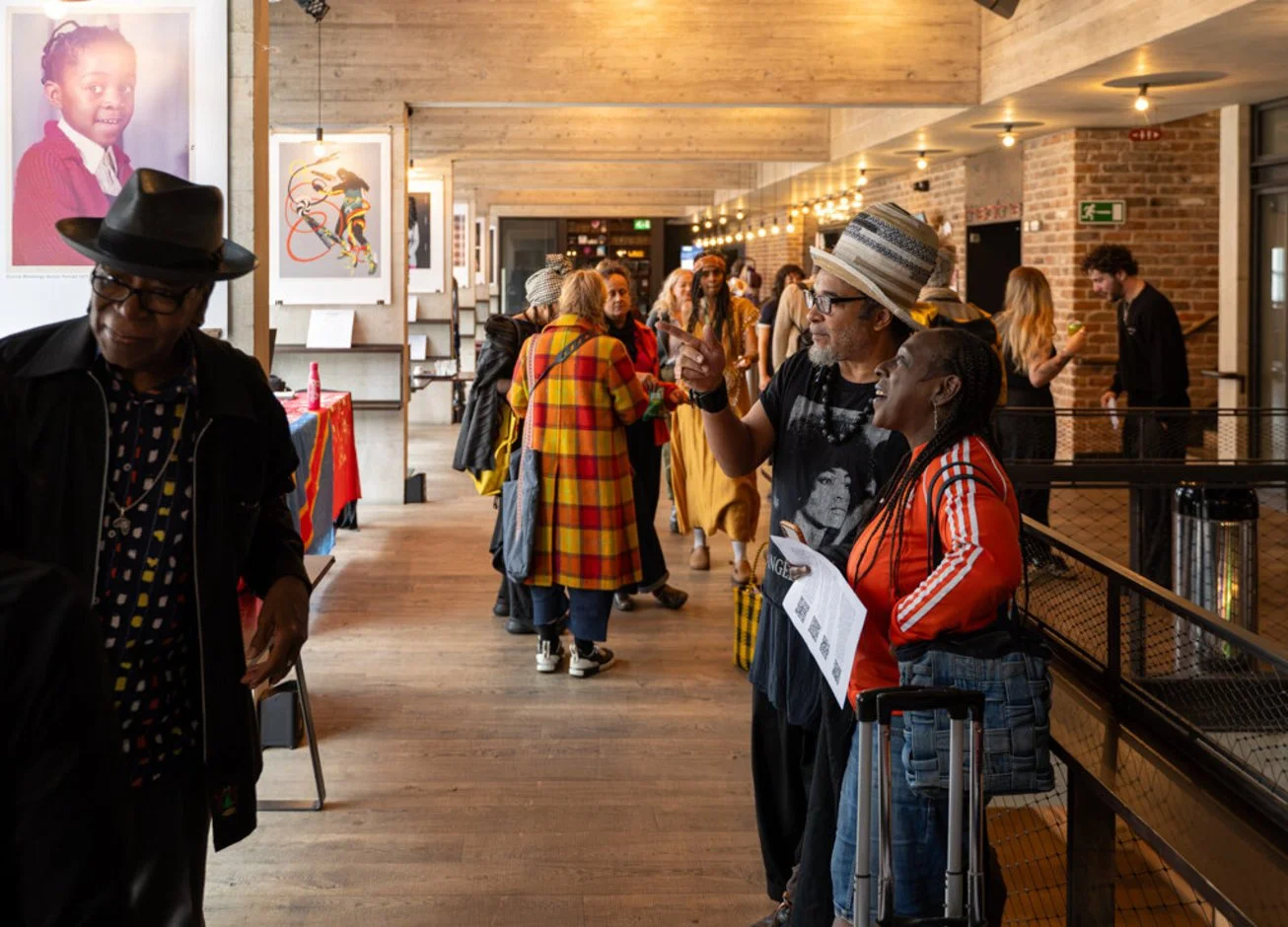
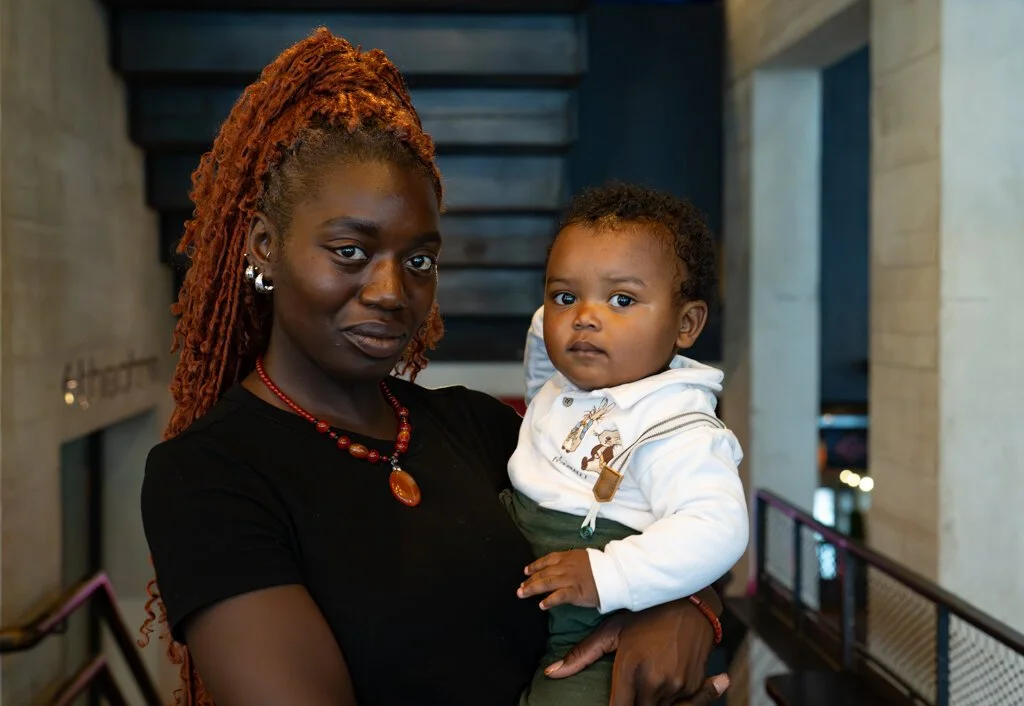
IMAGE Visitors engaging with the exhibition / stills from the filmed reflections
Looking forward: Continuing the conversations
The Liverpool Everyman takeover was an important opportunity for FACE to extend its work beyond higher education and into a major public cultural venue. By bringing together creative practice, research, education and public dialogue, the programme demonstrated how exhibitions and collaborative projects can create spaces for underrepresented histories, voices and perspectives to be recognised and celebrated.
The launch of FACE Conversations of Truth marks the beginning of a wider programme of dialogues, creating opportunities to explore challenging questions around representation, authorship, intellectual ownership, cultural heritage and the future of creative education.
Ultimately, the takeover was about more than an exhibition. It was about creating connections between generations, disciplines and communities; celebrating the contributions of Black creatives and the wider Global Majority community; and recognising the importance of who tells our stories, how they are preserved and whose knowledge shapes the future.
As FACE continues to develop its creative projects, exhibitions and public conversations, the Liverpool Everyman takeover provides an important foundation for future collaborations and opportunities to bring these conversations to wider audiences.
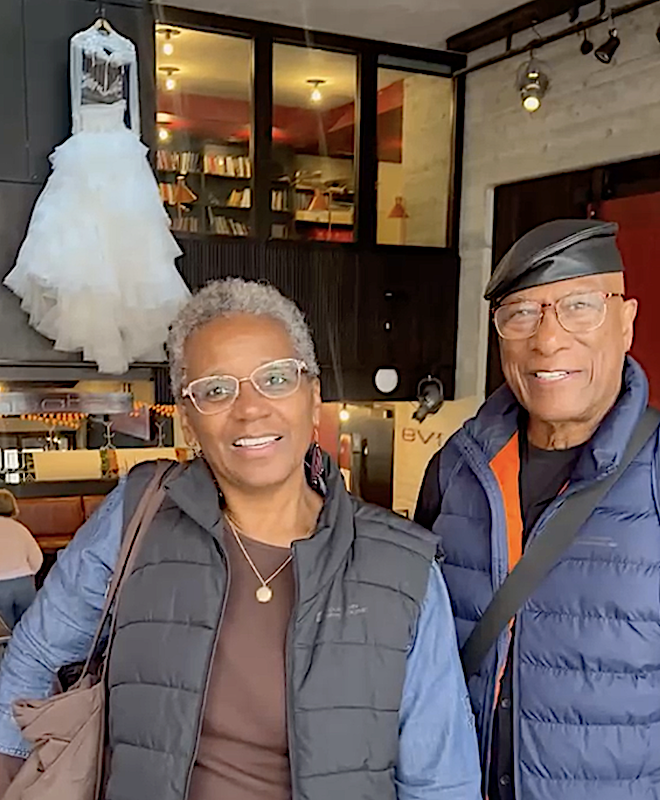
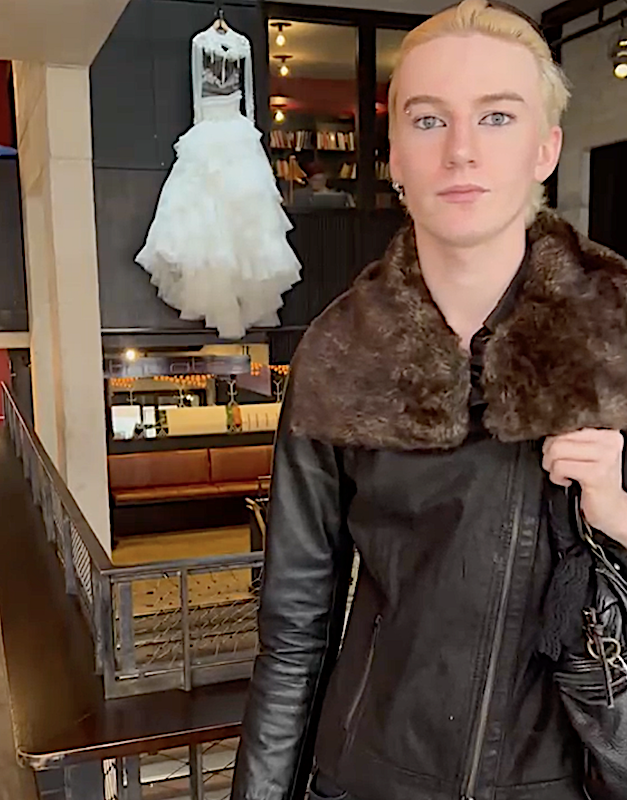
Further comments from audiences and exhibitors
“The FACE panel meeting held at the Everyman theatre was an illuminating and occasionally shocking series of accounts of the experiences of racism that people have faced in their lives. It made me reflect on what is happening in this country at the moment and how we need to be much better at accepting each other and celebrate differences.”
“Attending the exhibition and connecting with incredibly talented artists and designers was particularly inspiring. It was a reminder of how creativity transcends boundaries, bringing together diverse perspectives, cultural identities and artistic expressions. Seeing my work exhibited alongside those of other creatives who celebrate Afrocentric and Afrofuturist narratives was both humbling and empowering. The experience strengthened my belief in fashion as a powerful medium for storytelling, cultural representation and innovation. I am sincerely grateful to De Montfort University, FACE (Fashion and the Arts Creating Equity), Liverpool Everyman & Playhouse Theatres, and the curatorial team for creating such a meaningful platform for creative expression and cultural exchange. This experience has further encouraged me to continue exploring new possibilities in fashion and developing my identity as a designer.”
“Being part of the FACE takeover at Liverpool Everyman was a meaningful experience. Having Yemoja presented within a programme centred on Afrocentric and Afrofuturist perspectives gave the work an opportunity to sit alongside other creative practices and contribute to wider conversations around identity, heritage and cultural memory. I particularly appreciated the space created for artists and practitioners to exchange ideas, as well as the opportunity to speak about the thinking behind my work during the FACE conversation. It was encouraging to see different generations of creatives brought together around questions of representation, history and the futures we want to imagine. I'm grateful to Davina and the FACE team for selecting my work and for the thought and care behind the programme.”
“Being selected to showcase my work at the FACE x Liverpool Everyman exhibition was an incredibly rewarding experience and a meaningful milestone in my journey as a fashion designer. As a graduate of MSc Contour Fashion Innovation at De Montfort University, the exhibition provided an opportunity to present The Royal Bride, a collection exploring the relationship between African cultural heritage, contemporary bridal fashion and innovative garment construction.”
“Last month, as part of Black History Month, I had the honour of speaking as a panellist at [event name] in Liverpool, representing Fashion Academics Creating Equality (FACE). It was my first visit to the city, and I couldn't have asked for a warmer welcome. Alongside fellow panellists, we explored representation, equity and Black creativity in fashion education and the industry at large. Conversation, ideas, exchanges, insights flowed freely. Events like these are at the heart of FACE's mission: to challenge barriers, amplify underrepresented voices and create a fashion landscape where everyone has a place. Thank you to Davina Hawthorne for the invitation, to my fellow panellists Ibi & Benita Odogwu-Atkinson for their insight and generosity, and to everyone who came and took part. Liverpool is a city with music, history and resilience in its bones, and it was a fitting setting for this conversation. Black history isn't confined to one month, and neither is our work. FACE will keep building spaces for dialogue and action throughout the year.”
“It was a pleasure for MA Fashion Design at Winchester School of Art to collaborate with FACE and and showcase work from our 2025/26 cohort AND EVERYMAN. Opportunities such as this are important in celebrating cultural diversity, creative expression and inclusivity, while providing a platform for our students’ work to reach wider audiences. The garments were beautifully presented, and it was wonderful to see the collection brought together in such a modern display. We value collaborations that encourage cultural exchange and support our continued commitment to Equality, Diversity and Inclusion within creative education. Thank you to FACE for inviting us to be part of this exhibition.”
Celebrating legacies. Reclaiming histories. Imagining futures.