Hear My Voice: Part 2.
Curating a Safe Environment on Campus: Report by Ransom Vincent
This interview series, expanding on the See My FACE report, features stories from international students at UK fashion schools. In the following report. FACE member and student Ransom Vincent speaks from the heart about the lived experience of being racially minoritised and queer, both in the UK and India.
Every student deserves a safe space to feel as though they belong, especially those who are minoritised. From my own experience this has yet to addressed. Using an anonymised account from a colleague, I offer some simple steps for educators to accompany this personal account.
A recent from Glisen an organisation championing LGBTQ+ issues found 60.4% of students reported feelings of isolation due to bigotry around their identity on campus.
M is a queer person of colour who has joined fashion school and is excited to start their life in their real identity. Their family have been unsupportive. M wants to belong, but a group yell hate speech. Approaching professors, M hopes for action, but is told simply to ignore what is happening. M feels unsafe and alone. Lecturers have not created a space safe. What could senior academics do to help this student?
I understand this as a minoritised student myself. A recent from Glisen an organisation championing LGBTQ+ issues found 60.4% of students reported feelings of isolation due to bigotry around their identity on campus. As a fashion student in India, I have found there limited space for queer individuals to stand firm in their identity and receive respect. I was unable to open up to anyone except two close friends. This led to me feeling isolated and scared to approach anyone else when I was also verbally attacked on campus. In addition, as a minoritised creative when I did my foundation in the UK, I was reduced to my race in queer spaces even though I am queer myself, and just as my queer identity in racially minoritised spaces, disregarding the other part of my identity, leading to every part of my identity being invalidated and being excluded in every community I tried to be a part of.
“I was unable to open up to anyone except two close friends. This led to me feeling isolated and scared.”
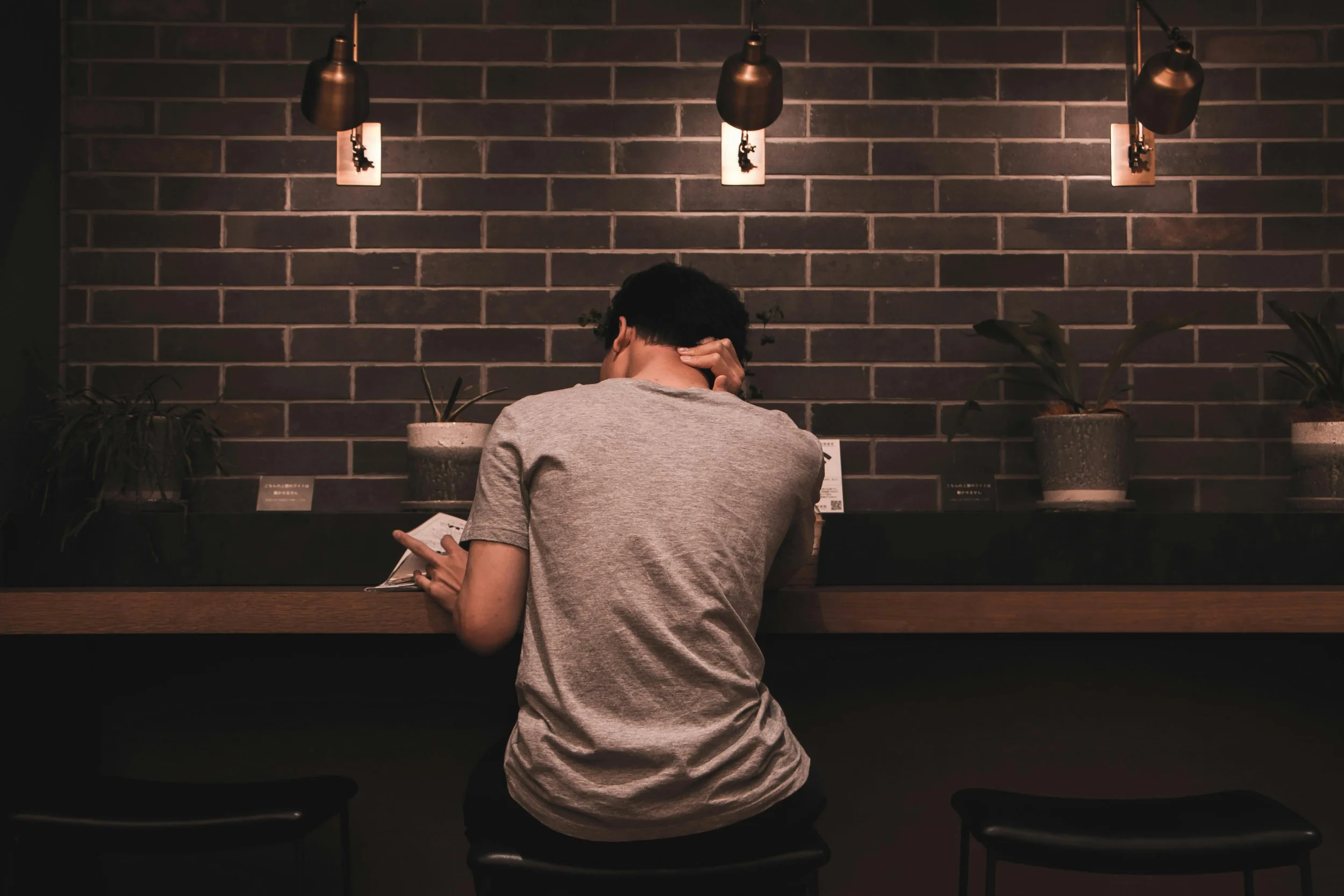
Image credits : Muhammad Rifki Adiyanto on Pexels
From my perspective, educators play a crucial role in creating a safe and accepting environment on campus. Higher education culture creates a framework for students in how they perceive and treat each other. Educating the student body on minoritsed identities can go a long way.
Many people are just not aware and need encouragement to understand the lived experience of others. One example could involve distributing form at the start of each year. Students who go by a different name than their given one and different pronouns could record this for use going forward, making it far less confrontational than personally correcting superiors in the moment.
Educating the student body on minoritsed identities can go a long way. Many people are just not aware and need encouragement to understand the lived experience of others.
If a racist or homophobic incident does occur, immediate action should be taken. Upon reporting this, a year-wide meeting should be called to educate the student body on zero tolerance of bigoted behaviour. This could be followed up with a more personal question and answer session where students who are confused could get answers in a judgment-free zone.
These small steps could create a safer and accepting environment for all at any higher education institute. Ends.
Read more Hear My Voice Part 1 Unspoken Cultural Conflicts and Identities. Report by Muyo Park

Image credits : Alex Green on Pexels
