Who Gets Seen - Venice 2026? Report by Benita Odogwu-Atkinson
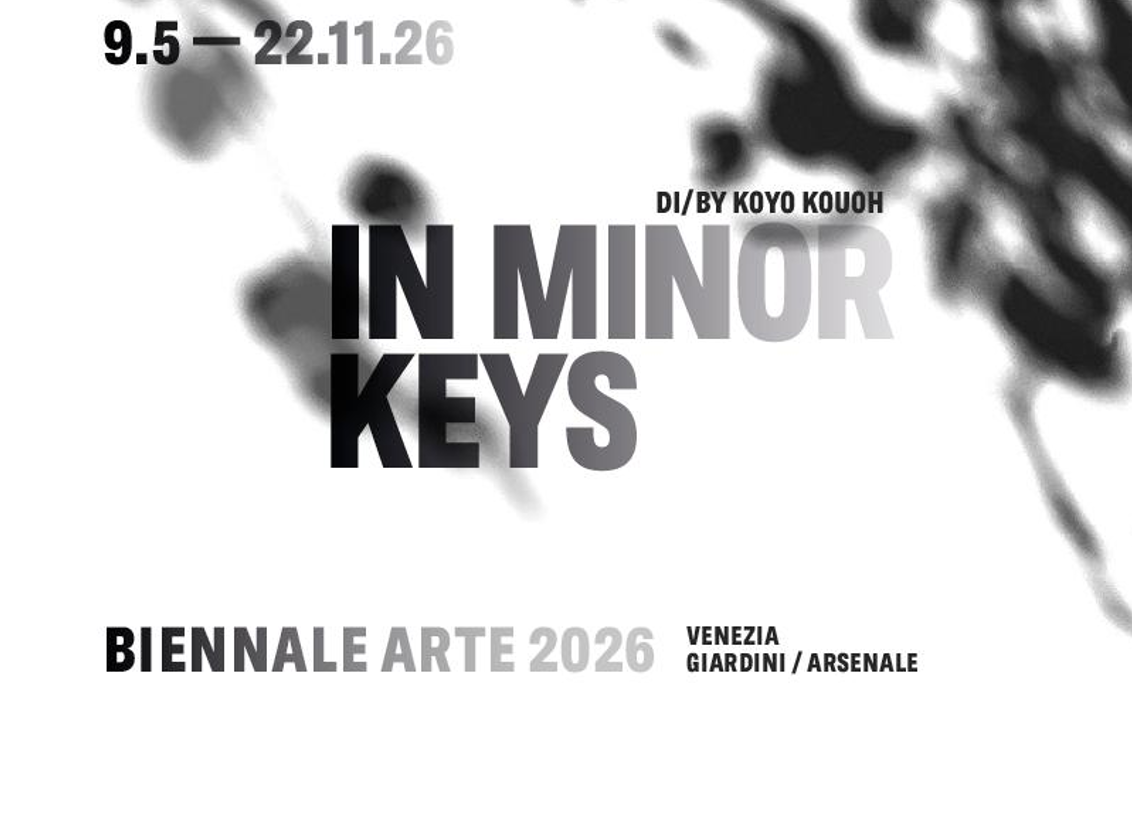
In Minor Keys, Major Voices: Venice, Visibility and the Art of Being Seen
Each year, I return to Venice for one of the world’s most important cultural events. One year it’s the Art Biennale, the next Architecture. It has become something of a personal pilgrimage, a chance to pause, reflect and discover how artists are responding to the political, social and cultural questions shaping our world.
This year’s 61st International Art Exhibition felt particularly significant. In Minor Keys was conceived by the visionary Cameroonian-born curator Koyo Kouoh, the first African woman appointed Artistic Director of the Biennale’s Visual Arts Department. Sadly, Kouoh died unexpectedly in May 2025, before seeing her vision realised. Yet her influence was everywhere, thoughtfully carried forward by her team.
In Minor Keys invites us to slow down and listen differently, to quieter voices, memory, repair, joy and hope. Walking through the Giardini and Arsenale, I felt this throughout. Artists from Africa, the diaspora, Asia, Latin America and Indigenous communities were not confined to the margins but confidently occupying the centre. It was refreshing, moving and long overdue.
Artists from Africa, the diaspora, Asia, Latin America and Indigenous communities were not confined to the margins
As a fashion academic and textile researcher, I was especially excited by the prominence of textiles as contemporary art. Cloth was everywhere, carrying stories of identity, resistance, belonging and survival. Stitching, weaving and embroidery were not simply decorative techniques but powerful languages of cultural expression. It reaffirmed something I have always believed: textiles are among our most important cultural archives.
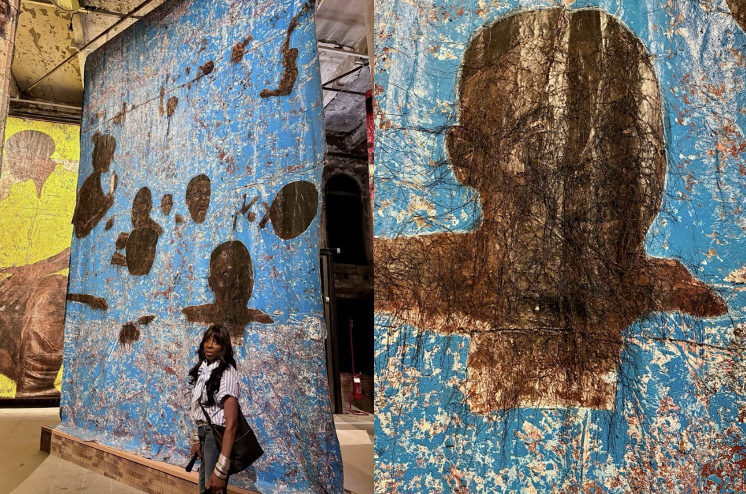
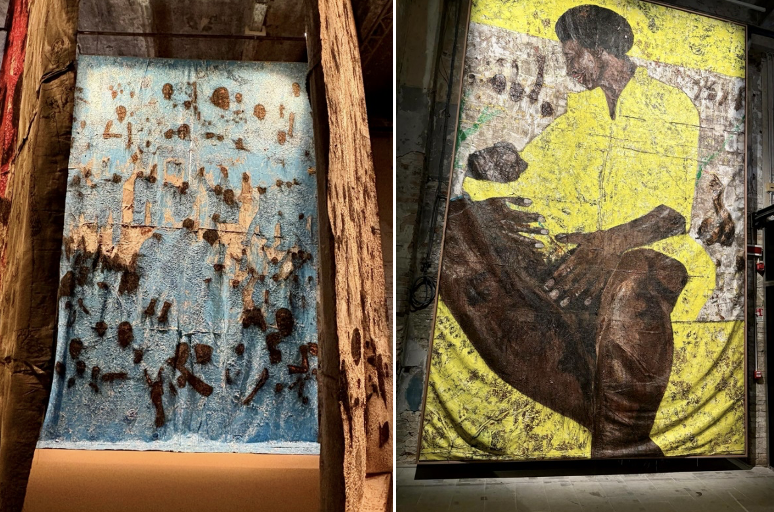
Kaloki Nyamai’s practice threads together personal memory, socio-political tensions and intergenerational tensions that shape East Africa, particularly in Kenya.
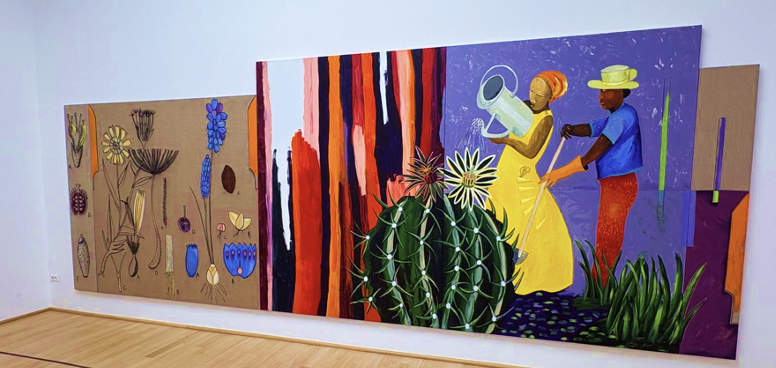
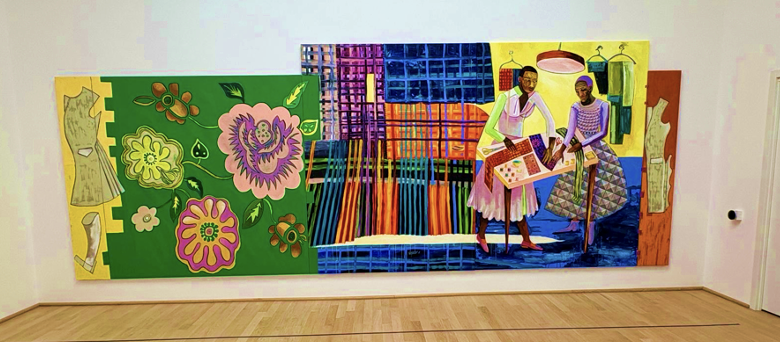
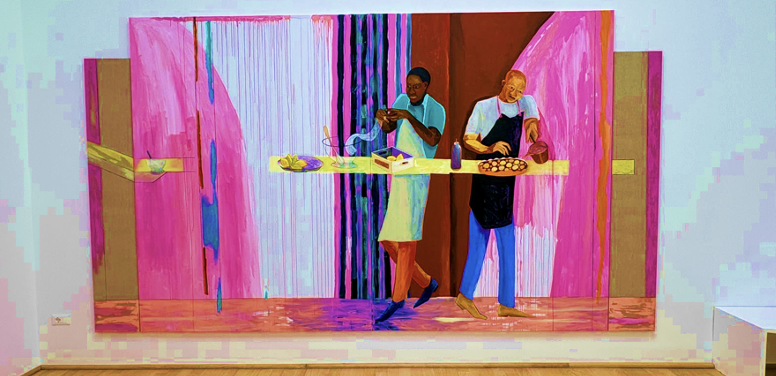
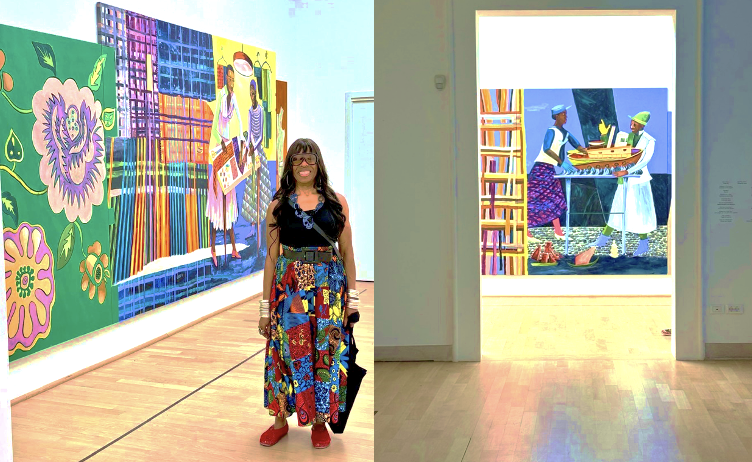
One of many highlights was Lubaina Himid’s British Pavilion, Predicting History: Testing Translation (below). Her layered exploration of belonging, migration and making a home in unfamiliar places felt particularly resonant. Seeing such an influential Black British artist representing Britain internationally was significant.
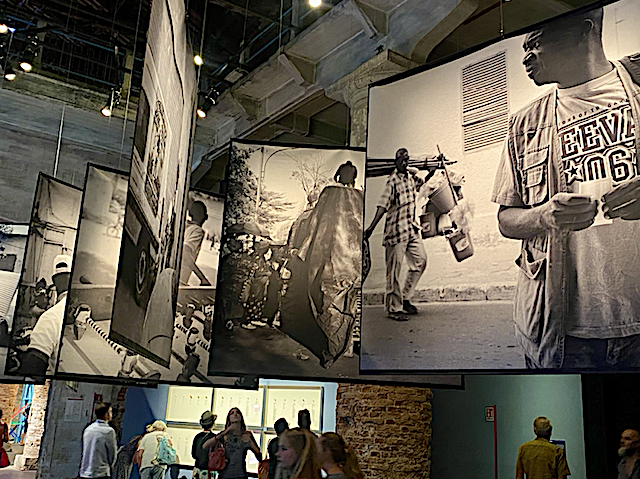
I was equally drawn to Akinbode Akinbiyi, (below) a British photographer with Nigerian heritage whose diasporic perspective reflected the exhibition’s wider ambition. What struck me was the confidence and complexity of Black representation. It felt integral, not an institutional afterthought.
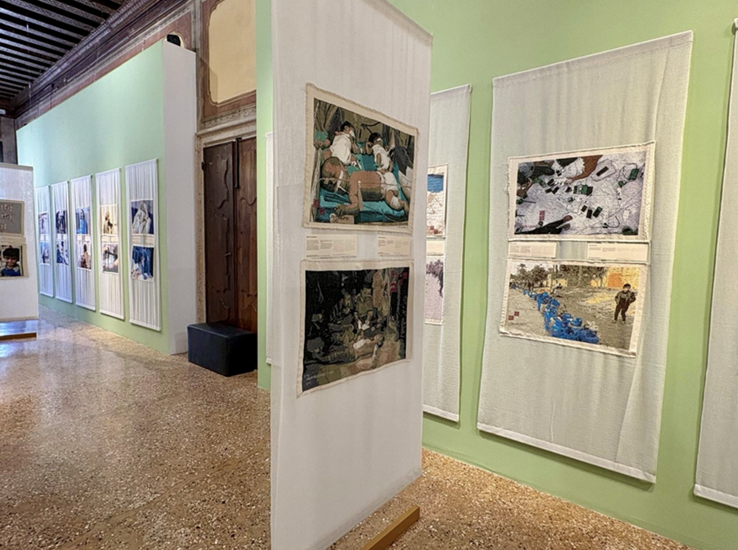
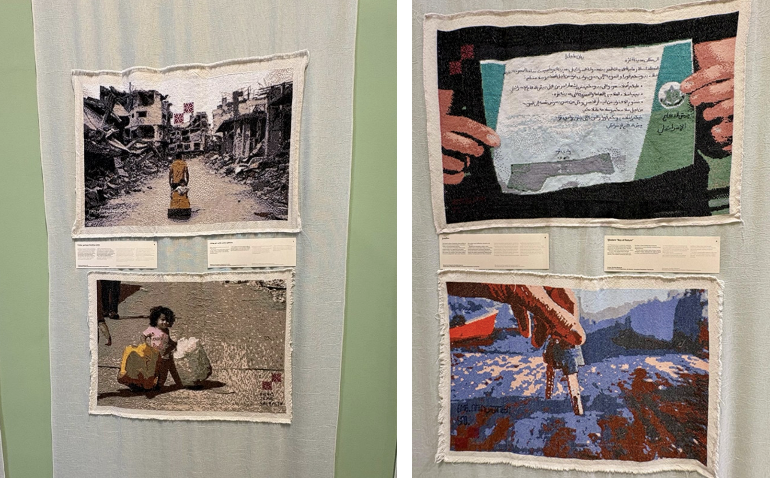
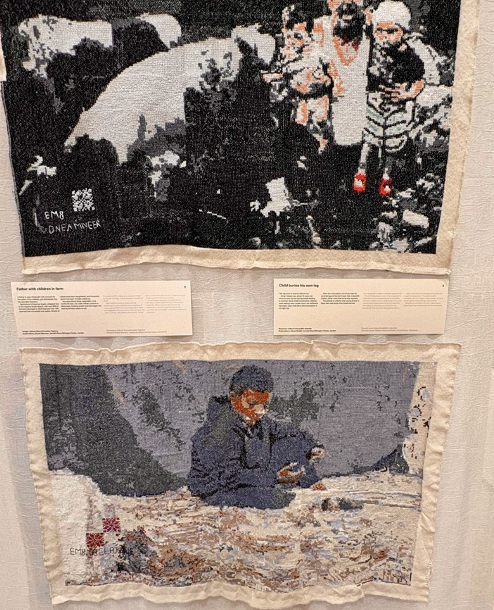
Perhaps the most emotionally affecting work was Gaza – No Words – See the Exhibit at Palazzo Mora. The Gaza Genocide Tapestry brought together 100 hand-stitched panels created by Palestinian women across occupied Palestine, refugee camps and the diaspora. Using tatreez, traditional Palestinian embroidery, the panels documented destruction, displacement and survival. Heart breaking and profoundly human, every stitch carried memory. Here was textile practice bearing witness when words could no longer do justice.
My favourite destination remains the Arsenale. Its vast former shipbuilding spaces allow artworks to breathe and visitors to become immersed. The Giardini offers a different rhythm, moving between national pavilions, gardens and the Padiglione Centrale. Its bookshop remains a favourite place to pause, discover artists and reflect.
Few cities make art feel so wonderfully woven into everyday life
And then there is Venice itself. Beyond the main venues, I love discovering exhibitions tucked inside palazzos and unexpected spaces. Turn a corner, cross a bridge, open a door and another cultural conversation begins. Few cities make art feel so wonderfully woven into everyday life.
But beyond the beauty and inspiration, I always return home with questions, particularly about higher education. Whose work do we teach? Whose knowledge shapes our curricula? Whose histories are preserved, and who is still expected to remain at the margins.
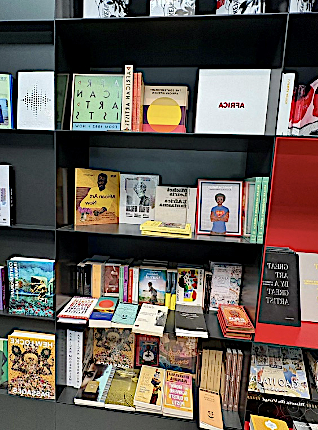
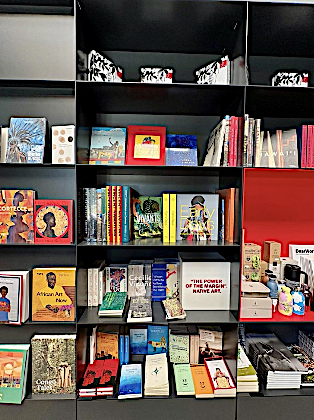
The Bookshop above with diverse offerings.
This Biennale reminded me that excellence grows through plurality, not uniformity. Some of the most compelling creative work emerges from lived experience, cultural specificity and the courage to challenge inherited narratives. Our universities, museums and cultural institutions should be equally ambitious.
I leave Venice inspired, challenged and optimistic. It also reminds me why FACE exists. The future of creative education depends on recognising the histories, knowledge and creative practices of Black, Brown and historically marginalised communities, not as optional additions but as essential foundations.
The future of creative education depends on recognising the histories, knowledge and creative practices of Black, Brown and historically marginalised communities, not as optional additions but as essential foundations
Koyo Kouoh’s In Minor Keys offered a powerful glimpse of what that future might look like. She may not have lived to see her vision realised, but its message resonates far beyond Venice. The challenge now is not simply to celebrate that vision, but to have the courage to build it. Highly recommended visit!
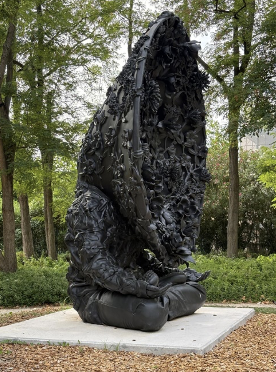
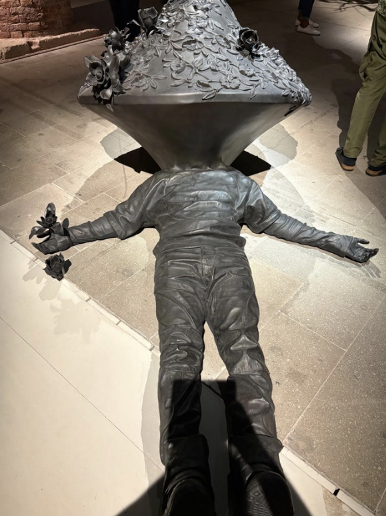
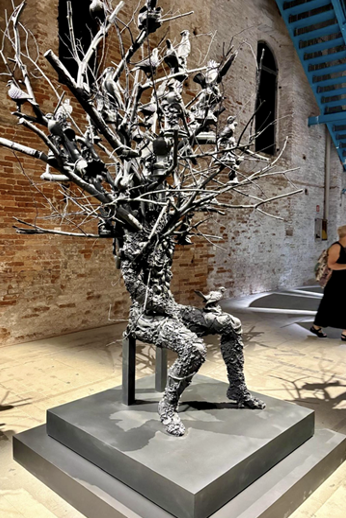
A few further art examples from the huge exhibition – in the Arsenale
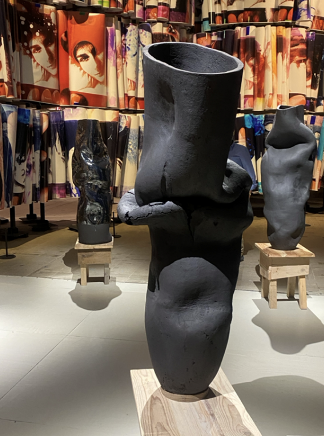
Ranti Bam
Sculpture through clay, drawing from her Ife, a Yoruba word that means both ‘divination (Ifà) and “to pull close” (I-fàá)
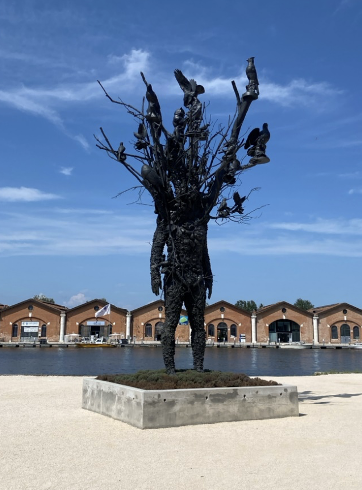
Nick Cave’s Two Points in Time – At once, seen inside and outside (below).
The numbers:
105 individual artists and collectives
6 artist led organisations
100 National participants
Photographs – Benita Odogu-Atkinson and Thomass Atkinson