Hear My Voice: Part 3
Unspoken Cultural Conflicts and Identities. Report by Muyo Park
This interview series, expanding on the See My FACE report, features stories from international students at UK fashion schools. The interviews will show how the Lack of institutional recognition of these difficulties, identified in the report impacts students personally.
Through each of their voices, we learn that equity in education influences individual creativity by illustrating the cultural conflicts and unspoken self-censorship students face both inside and outside of school.
All interviews were conducted with explicit consent from the participants. To safeguard privacy, names, institutions, and other identifiable information have been either removed or pseudonymised. The interview content and wording were reviewed and approved by each participant prior to use.
Horizontal Tutorial vs the Burden of “Being Capable”
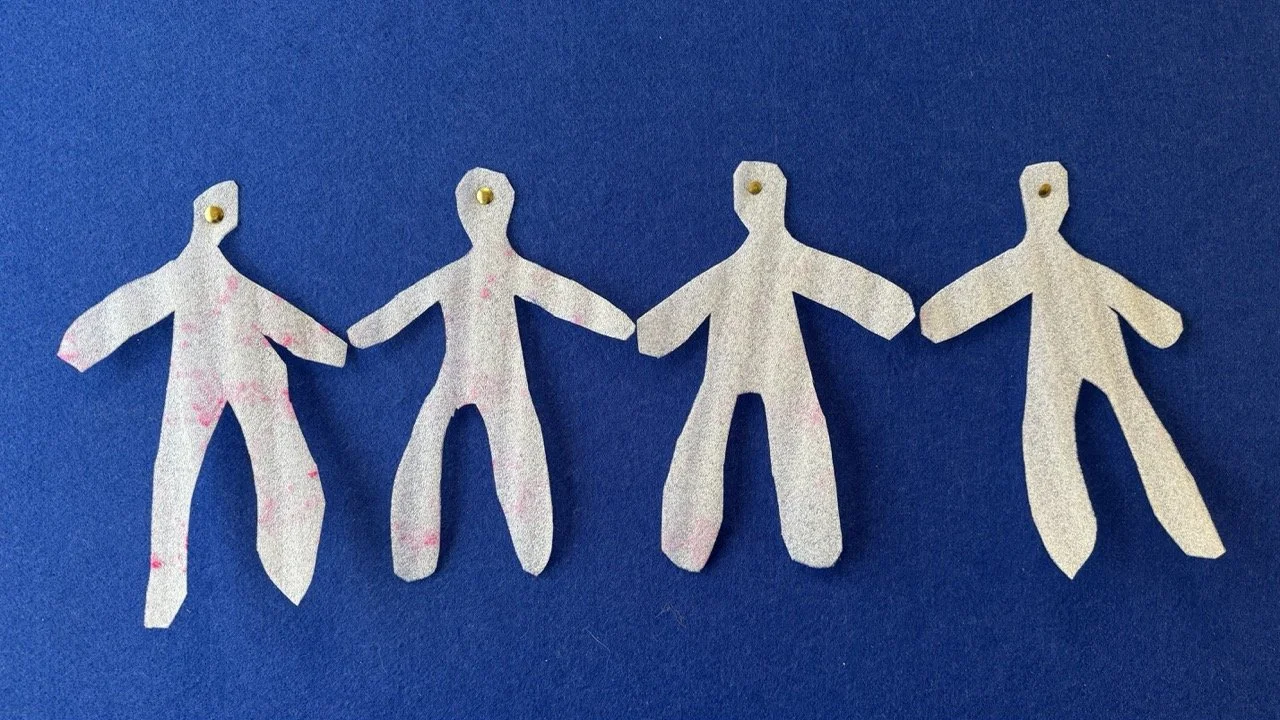
Image 1. First team project
“Coming from a context where the boundary between tutor and student was more defined, an open conversation did not feel automatic.”
The studio-based tutorial system is a pedagogical strength of UK universities. Tutorials are open, free, and equal opportunity between the tutor and student. Students are expected to ask questions, challenge stereotypes, and discuss endlessly. But not everyone experiences it in this way.
For someone used to clear rules about respect, authority, and seniority, the lack of formal hierarchy did not make things easier. Instead, it just became a new kind of uncertainty about what they were allowed to say.
“I was not only translating what I wanted to say. I was also thinking about whether I was allowed to say it.”
This student reported that they always faced a subtle personal barrier in every tutorial. Even when the tutor seemed (and even when they actually treated them) openly and friendly, they could not erase one question: Is it okay to share this thought for sure? Is it too trivial, too insignificant to discuss? Would asking again be rude? Will I suffer a loss if I don't agree?
Would asking again be rude? Will I suffer a loss if I don't agree?
The experience of such internal struggles suggests at least one thing to us. A quiet student who might seem independent, agreeable, or self-sufficient may still be figuring out the rules of a new mentor-mentee relationship.
“Being seen as capable made it harder to show when I needed support.”
They also stated that positive assumptions can cause unexpected pressure. Once, a tutor said that students from similar backgrounds were usually self-sufficient and needed little help. While the good intentions behind those words might be successfully conveyed to some, for others, the message could be misdelivered—resulting in a sense of pressure instead. When the latter case occurs, students feel they have to be capable, disciplined, and low-maintenance, which makes it harder to ask for advice or an honest opinion about their creativity and their work. Needing support could feel like letting people down.
It has been found that "positive stereotypes" can marginalise students by rewarding them for making fewer demands or not negotiating.
It has been found that "positive stereotypes" can marginalise students by rewarding them for making fewer demands or not negotiating. Although active expression of opinion is central to tutorials, misinterpreted silence undermines this value by masking issues that the institution needs to address and improve.
Cultural Background as Decoration?
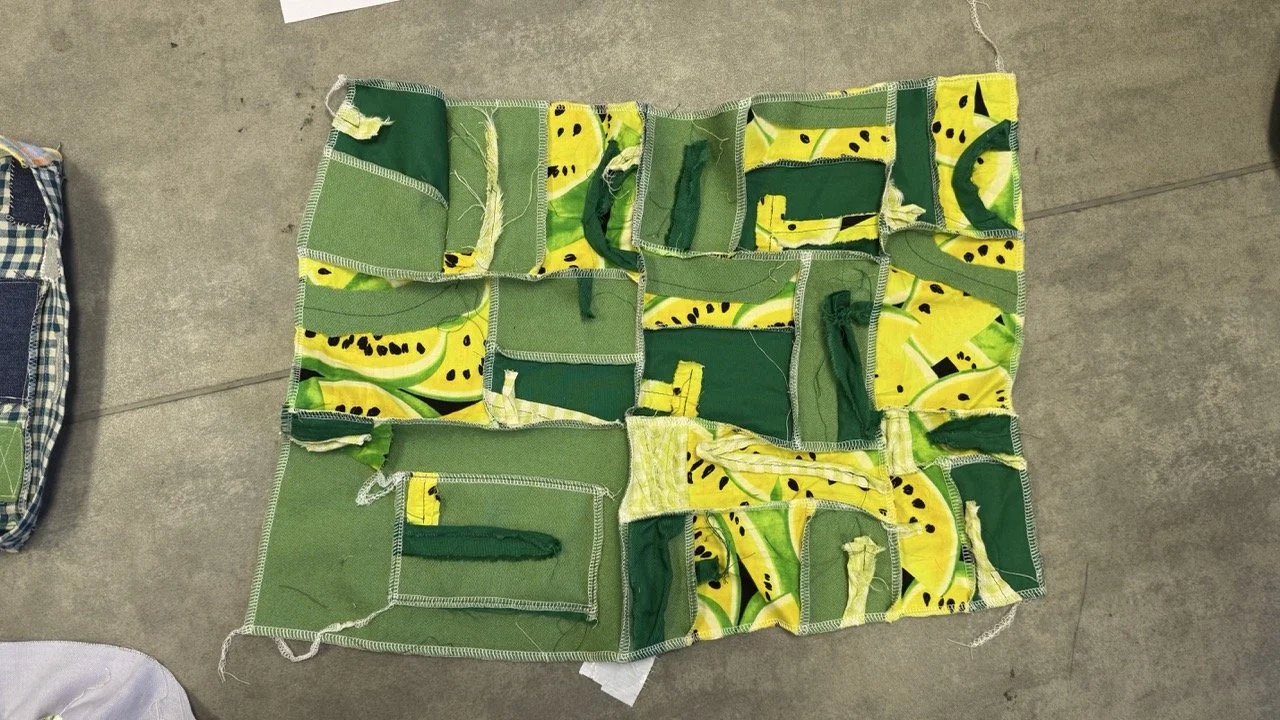
Image 2. Second term seminar
“My background was not an inspiration. It was a way of thinking.”
What are the strengths of UK fashion schools? For sure, one of them is encouraging students to include their personal, authentic, cultural identity. However, that encouragement often still needs to be aligned with mainstream fashion style, which means business-able or marketised ‘inspiration’.
For this student, it was not enough for their work to be seen as just ‘personal’ or ‘cultural’ identity. They wanted people to see it as a more thoughtful, delicate critique towards to the Fashion System, which they diagnosed. Their project used traditional, material, tactile knowledge and a new way of connecting fabric to the human body to challenge a rarely questioned idea in fashion. Instead of simply adding fresh cultural references to a Western-centric system, they wanted to ask if it is allowed to question at all.
“I wanted the work to be understood through the different logic behind how it was made”
In fashion, cultural knowledge should often be welcomed only when it shows up in visual storytelling such as colour, patterns, shapes. Of course, it is easier to celebrate if you bring something ‘different’, but it is harder to notice when non-Western cultural tacit knowledge challenges Fashion itself.
It is harder to notice when non-Western cultural tacit knowledge challenges Fashion itself.
In other words, students’ cultural background can end up being something they have to persuade people why it is valuable. What they have to explain in their work often means showing why these unfamiliar ideas and knowledge matter in their system (i.e., contribute to diversity, the fashion industry, or the cohort). This kind of extra work is especially rarely asked of Home students.
“The skills I brought with me were useful, but they were not always recognised as knowledge.”
Of course, every student brings their own practical skills that contribute to the overall educational environment. These skills are always useful to the school. This student also said that their training and industry experience was treated as a necessary part of the programme. However, when it does not show up in the official course structure or demands, it means their skills were not recognised properly in grading, course planning, and staffing.
When knowledge from outside of the fashion school studio is used, is it just seen as something to explain, or can it change how people understand the pedagogy, and could it be changed in a more positive way?
Further reading:
See My Face Part 1 Unspoken Cultural Conflicts and Identities. Report by Muyo Park
See My Face Part 2 Curating a Safe Environment on Campus: Report by Ransom Vincent